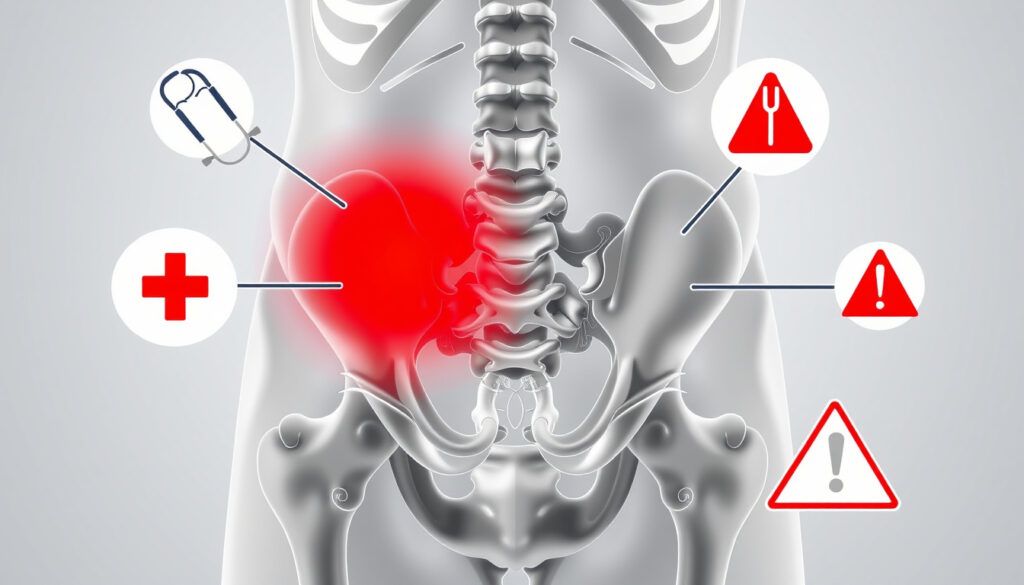
Pain in Lower Left Abdomen: Causes, Red Flags & When to Worry
That sharp tug on your left side—the one that makes you stop mid-step and wonder if you should be worried—is one of those body signals nobody teaches you how to read. The truth is, pain in the lower left abdomen has a short list of usual suspects, some harmless and a few that demand a trip to the ER.
Annual ER visits for abdominal pain in the US: Over 2 million ·
Diverticulosis prevalence in adults over 60: Up to 50% have diverticulosis; 10-25% develop diverticulitis ·
Percentage of lower left abdominal pain due to diverticulitis in older adults: 30-40% ·
Gas and bloating frequency: Affects 1 in 5 adults regularly
Quick snapshot
- Diverticulitis is the most common cause in adults over 40 (Cleveland Clinic hospital gastroenterology)
- Constipation and gas are frequent benign triggers (Ubie Health clinical triage platform)
- Without CT or ultrasound, pinpointing the exact cause is impossible
- Differential diagnosis includes multiple overlapping conditions
- Pregnancy can shift pain location due to anatomical changes
- Pain lasting over 48 hours or worsening requires evaluation (Tua Saúde medical information portal)
- Sudden severe pain with vomiting or fever = emergency (Tua Saúde medical information portal)
- Assess using red-flag checklist: fever, vomiting, blood in stool
- Schedule a same-day appointment if symptoms persist beyond 2 days
- Imaging (CT scan) is the gold standard for diagnosis
The table below organizes the key facts so you can compare causes, symptoms, and the right next step without sifting through paragraphs.
| Most common cause | Diverticulitis in adults over 40; gas/constipation in younger adults |
| Red flag: fever | Indicates infection (e.g., diverticulitis, abscess) |
| Gender consideration | In females, consider ovarian torsion, ectopic pregnancy |
| Imaging used | CT scan is gold standard; ultrasound for gynecological causes |
| Pain duration threshold | More than 48 hours = see a doctor |
| ER indicator | Sudden severe pain with rigidity or vomiting |
| Age risk peak | Diverticulitis rises sharply after age 40 |
| Associated symptoms | Gas: bloating, burping, shifting pains; Infection: fever, chills |
What causes pain in the lower left side of your belly?
Digestive causes
Below the surface of your lower left abdomen sits the sigmoid colon—the part of the large intestine that takes a sharp S-turn before the rectum. This is where diverticula, small pouches in the colon wall, tend to form. When bacteria get trapped and infected, the result is diverticulitis, the leading cause of left-lower-quadrant pain in adults over 40, according to Cleveland Clinic gastroenterologists. Before that infection sets in, the pouches alone (diverticulosis) are usually painless.
Constipation and trapped gas are the other frequent culprits. A backup of stool stretches the colon wall, producing a crampy ache that can feel sharp on one side. Clinical guidance from Ubie Health notes that gas pain often shifts location, comes with bloating, and resolves after a bowel movement or passing gas. Irritable bowel syndrome (IBS) follows a similar pattern—cramping linked to bowel habits, often accompanied by diarrhea or constipation.
Musculoskeletal causes
Not all left-side belly pain originates from an organ. A pulled abdominal muscle from a workout, a coughing fit, or even a sudden twist can cause localized tenderness. The key differentiator: muscular pain worsens when you move or press on the spot, and it lacks the digestive symptoms—nausea, bloating, bowel changes—that point to a gastrointestinal source.
Other causes
Kidney stones, though classically associated with flank pain, can radiate to the lower left abdomen as they move down the ureter. Tua Saúde’s medical team describes the pain as colicky—waves of intense cramping that come and go—and often accompanied by blood in the urine or a burning sensation when peeing. A kidney infection (pyelonephritis) can also send pain to the left lower side, along with foul-smelling urine and fever.
The average patient with gas pain and the patient with a kidney stone can both describe “sharp pain in lower left abdomen.” Without imaging and a urinalysis, even experienced clinicians rely on symptom clusters—nausea, urinary changes, fever—to separate the two.
What organ sits in the lower left abdomen?
Colon and sigmoid
The sigmoid colon is the dominant occupant of the left lower quadrant. This S-shaped segment of the large intestine stores stool before it enters the rectum. Because it bends sharply, it is the most common site for diverticula to form, which explains why left-side pain so often traces back to the colon.
Left kidney
The left kidney sits higher up, just under the ribs, but its ureter—the tube carrying urine to the bladder—runs down the left side of the abdomen. A stone or infection in that ureter can create referred pain that feels like it is coming from the lower left belly.
Reproductive organs in females
In women, the left ovary and fallopian tube lie in the same neighborhood. The left ureter passes close to the ovary, so pain from either structure can be hard to distinguish. The Ubie Health clinical note emphasizes that ovulation pain (mittelschmerz), ovarian cysts, endometriosis, and pelvic inflammatory disease (PID) all present with left-lower abdominal pain that is cyclical or related to menstruation.
The catch: when a woman of reproductive age reports left-side pain, the possibility of ectopic pregnancy must be ruled out—a life-threatening condition where a fertilized egg implants outside the uterus, often in the left fallopian tube.
When should I worry about lower left side pain?
Warning signs requiring immediate care
- Pain so severe you cannot stand straight or find a comfortable position
- Fever above 100.4°F (38°C), with or without chills
- Vomiting that prevents you from keeping down fluids
- Inability to pass gas or have a bowel movement
- Blood in your stool (bright red or black/tarry)
- Blood in your urine or painful urination
These symptoms, highlighted across Tua Saúde warning guidelines and Cleveland Clinic emergency recommendations, point to infection, obstruction, or internal bleeding—all of which escalate fast.
Three red flags in abdominal pain
Clinicians often narrow the decision tree to three questions you can ask yourself:
- Fever present? Even a low-grade fever widens the list to infection (diverticulitis, kidney infection, appendicitis—though appendicitis usually strikes the right side).
- Can you eat and keep food down? Persistent vomiting or an inability to pass gas suggests an obstruction or severe inflammation.
- Any blood? Blood in stool or urine is a non-negotiable trigger for immediate evaluation.
The pattern: if you answer yes to any of these three, the decision to go to the ER becomes straightforward—your risk of a serious condition has crossed the threshold.
Self-assessment steps
Before calling a doctor, note these details: when the pain started, whether it came on suddenly or gradually, what makes it worse (eating? moving?), and any accompanying symptoms like nausea, bloating, or urinary changes. Pain that has lasted more than two days or is progressively worsening warrants a same-day appointment, per Tua Saúde’s clinical guidance.
Older adults—especially those over 60—face a higher risk of diverticulitis and should not wait 48 hours before seeking help. The CDC notes that sudden severe pain in this age group demands immediate medical evaluation.
What causes lower left abdominal pain in females?
Gynecological causes
The female reproductive system adds a layer of possibilities that men do not face. Ovarian cysts—fluid-filled sacs that form during ovulation—can cause a dull ache or sharp stabbing pain on the left side, especially if they rupture. Endometriosis, where uterine-like tissue grows outside the uterus, frequently causes chronic pelvic pain that flares during menstruation, according to clinical guidance from Ubie Health. Pelvic inflammatory disease (PID), often from an untreated STI, produces lower abdominal pain, fever, and abnormal discharge.
The most urgent gynecological cause is an ectopic pregnancy—a fertilized egg implanting in the fallopian tube. Pain is typically sharp, one-sided, and may come with spotting or shoulder tip pain due to internal bleeding. Any woman of childbearing age with sudden left-sided pain should take a pregnancy test and seek emergency care if positive.
Pregnancy-related pain
During pregnancy, round ligament pain—stretching of the ligaments that support the uterus—can cause sharp left-sided twinges, especially in the second trimester. However, placental abruption (where the placenta separates from the uterus) and preterm labor can also present with left-lower pain. The distinction: round ligament pain is brief and positional; abruption pain is constant and often accompanied by vaginal bleeding. Ubie Health’s clinical note stresses that any abdominal pain during pregnancy warrants a call to an OB-GYN, even if it seems mild.
When to see a doctor
For women, the threshold for seeking care is lower because the differential diagnosis is wider. If the pain interferes with daily activities, recurs with every menstrual cycle, or is accompanied by fever, heavy bleeding, or painful sex, a pelvic exam is the next step. Tua Saúde’s guidelines add that symptoms persisting beyond two days or occurring with unexplained weight loss should be assessed.
Women face a broader diagnostic map—seven possible causes versus three for men—which means more tests and more anxiety. The upside: a pelvic ultrasound can often rule out the most dangerous causes in under 30 minutes.
What does pancreatitis feel like, left or right side?
Symptoms of pancreatitis
Pancreatitis—inflammation of the pancreas—is often confused with other causes of upper abdominal pain. The pain is typically epigastric, meaning it centers in the upper middle of the belly, just below the breastbone. From there, it radiates straight through to the back in a band-like pattern. While the pancreas sits in the midline with its tail extending to the left, pancreatitis pain can feel left-sided or diffuse, according to Cleveland Clinic gastroenterologists.
Location of pain
Acute pancreatitis pain comes on fast—often within hours—and is described as a constant, boring ache that gets worse when you lie flat or eat, especially fatty foods. Because the pancreas is deep in the retroperitoneum (behind the abdominal cavity), the pain can be hard to localize. Some patients report it on the left side of the upper abdomen, but the hallmark is back radiation, not a pure left-lower position.
When to seek emergency care
Pancreatitis demands urgent medical attention because it can progress to organ failure. Red flags include severe upper pain that radiates to the back, nausea and vomiting, fever, a rapid pulse, and a tender abdomen that hurts when touched. Tua Saúde’s clinical guidance includes pancreatitis in the list of conditions that require immediate evaluation, alongside kidney stones and diverticulitis.
The implication: if you feel a deep ache that wraps around to your back after a heavy meal, pancreatitis is on the table—but the odds are low unless you have gallstones, a history of heavy alcohol use, or elevated triglycerides.
Related reading: **Why Is My Period Blood Brown – Causes, When Normal and When to Worry**
syracuseherniacenter.com, medicalnewstoday.com, ubiehealth.com, blog.providence.org, visitcompletecare.com
Frequently asked questions
Can lower left abdominal pain be a sign of cancer?
In rare cases, persistent lower left abdominal pain can be a symptom of colon cancer, ovarian cancer, or other malignancies. However, cancer-related pain is usually accompanied by other red flags: unexplained weight loss, blood in the stool, a change in bowel habits lasting more than a few weeks, or a palpable mass. If the pain is new, severe, or accompanied by any of these signs, imaging is needed to rule out malignancy.
How is diverticulitis diagnosed?
Diverticulitis is diagnosed through a combination of physical exam, blood tests (looking for elevated white blood cell count), and imaging. The gold standard is a CT scan of the abdomen and pelvis with intravenous contrast, which can confirm inflammation of diverticula and rule out abscesses or other complications, as noted by Cleveland Clinic diagnostic guidelines.
What does trapped gas feel like in the lower left abdomen?
Trapped gas typically produces sharp, stabbing pains that can shift location as the gas moves through the colon. It is often accompanied by bloating, abdominal distension, burping, or the urgent need to pass gas. The pain usually resolves after a bowel movement or flatulence. Ubie Health’s symptom guide notes that gas pain rarely lasts more than a few hours.
Can stress cause lower left abdominal pain?
Yes, stress can trigger or worsen abdominal pain through the gut-brain axis. Chronic stress is a known risk factor for irritable bowel syndrome (IBS), which commonly causes cramping in the lower left abdomen. Stress also alters gut motility and can contribute to constipation or diarrhea. However, stress alone does not explain fever, vomiting, or blood in the stool—if those are present, a physical cause is more likely.
Is it safe to take pain relievers for lower left abdominal pain?
It is generally not recommended to take NSAIDs (ibuprofen, naproxen) for abdominal pain until a cause is known, because NSAIDs can irritate the stomach lining and worsen conditions like ulcers or gastritis. Acetaminophen (paracetamol) is a safer option for symptom relief, but pain relievers can mask important diagnostic clues. The Tua Saúde clinical team advises against self-medicating with anti-inflammatory drugs if you suspect diverticulitis, as they can increase the risk of perforation.
When should I go to the ER for lower left abdominal pain?
Go to the emergency room if you experience any of the following: sudden and severe pain that makes it hard to move or breathe, fever above 100.4°F (38°C), persistent vomiting, inability to pass gas or stool, blood in your stool or urine, or severe pain during pregnancy. These signs, outlined by Cleveland Clinic emergency guidelines, indicate infection, obstruction, or a surgical emergency.
Is lower left abdominal pain related to constipation?
Yes, constipation is one of the most common and benign causes. When stool accumulates in the sigmoid colon, it stretches the colon wall and triggers crampy pain. The pain is often relieved after a bowel movement. Chronic constipation can also lead to fecal impaction, which causes more persistent discomfort and requires medical treatment.
For patients in the UK and US who wake up with left-side belly pain, the decision is clear: assess fever, check your ability to pass gas and stool, and note any blood. If none of those red flags are present, a wait of 24–48 hours with hydration and gentle movement is reasonable. If the pain persists beyond 48 hours or worsens, schedule a same-day GP or urgent care appointment—because the one thing all these causes share is that time makes them clearer, not better.
More related posts
 St. Vincent: Biography, Relationships, and Music Career
 Darren Grimes Leaves GB News: Net Worth, Real Name, Reform UK
 Jermaine Jenas: BBC Sacking and Life After Scandal
 Charles Leclerc: Wife, Family, Net Worth & F1 Career
 Tom Read Wilson Education – Schools, Family and Posh Roots
 JFK Jr. Plane Crash: What Happened and Unanswered Questions
 The Municipal Hotel Liverpool: History, 5-Star Rating & Guide
 Dannii Minogue: Son, Partner, Age, and Net Worth Facts
