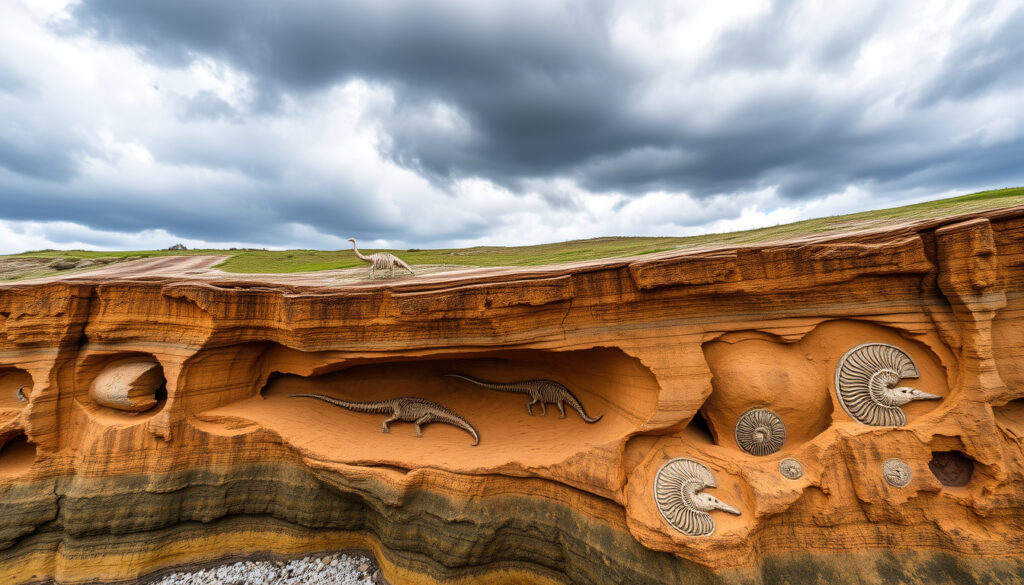
Mary Anning: Biography, Discoveries, and Lasting Legacy
There’s something extraordinary about a fossil hunter who, at twelve years old, unearthed a creature that would rewrite natural history. Mary Anning, born in Lyme Regis in 1799, made that discovery and went on to change how we understand extinction — a self‑taught woman who out‑fossilised the gentlemen scientists of her day, and whose work still shapes paleontology today.
Born: 21 May 1799 ·
Died: 9 March 1847 ·
Occupation: Fossil collector, dealer, palaeontologist ·
Known for: Ichthyosaurus, Plesiosaurus, and Pterosaur discoveries ·
Lightning strike age: 15 ·
Marital status: Never married
Quick snapshot
- Birth and death dates (Encyclopaedia Britannica (peer‑reviewed reference))
- Major fossil discoveries: Ichthyosaurus, Plesiosaurus, pterosaur (Natural History Museum (UK national science institution))
- Never married (Lyme Regis Museum (local heritage authority))
- Died of breast cancer (Encyclopaedia Britannica)
- Exact age at which she found her first important fossil (commonly 12, some sources vary) (Natural History Museum)
- Level of formal education (none confirmed) (Britannica Kids (student reference))
- Full extent of contributions credited to others (Encyclopaedia Britannica)
- 1799: Born in Lyme Regis (Encyclopaedia Britannica)
- 1811: First complete Ichthyosaurus (age 12) (Natural History Museum)
- 1823: First complete Plesiosaurus (Natural History Museum)
- 1828: First British pterosaur (Dimorphodon) (Discover Wildlife)
- 1847: Died at 47 (Encyclopaedia Britannica)
- Growing recognition: statues, museum exhibits, and a biopic (Ammonite, 2020) (Natural History Museum)
- Ongoing research into her uncredited contributions to early paleontology (Encyclopaedia Britannica)
- Increased educational emphasis on women in STEM history (Lyme Regis Museum)
Here is a snapshot of key facts about Mary Anning.
| Attribute | Detail |
|---|---|
| Full Name | Mary Anning |
| Born | 21 May 1799, Lyme Regis, England |
| Died | 9 March 1847, Lyme Regis, England |
| Occupation | Fossil collector, dealer, palaeontologist |
| Major Fossils | Ichthyosaurus, Plesiosaurus, Pterosaur (Dimorphodon) |
| Lightning Strike | Struck at age 15; survived |
| Marital Status | Never married |
| Famous Quote | “The world has lost a great fossilist” — attributed to Henry De la Beche |
What is Mary Anning most famous for?
Eight facts about her discoveries, one pattern: each find shattered existing scientific assumptions about the history of life on Earth.
The first complete Ichthyosaurus skeleton
- In 1811, at about age 12, Anning helped uncover a 5.2‑metre‑long ichthyosaur skeleton near Lyme Regis (Natural History Museum). Initially misidentified as a crocodile, it was later recognised as a marine reptile that confirmed extinction — a radical idea at the time (National Geographic Kids (educational publisher)).
- Some sources credit her brother Joseph with the initial find, but Mary performed the excavation and became famous for it (Encyclopaedia Britannica).
This discovery forced Victorian science to reconsider the history of life on Earth.
Pioneer of paleontology
- Her 1823 find of a complete Plesiosaurus was so unusual that prominent scientists initially doubted its authenticity (Natural History Museum). It later became a key specimen in the debate about prehistoric life.
- In 1828 she unearthed the first pterosaur found outside Germany (Discover Wildlife (nature magazine)), further expanding the known diversity of Jurassic animals.
- Anning also pioneered the study of coprolites (fossilised faeces) (Discover Wildlife), helping paleontologists understand ancient diets.
Mary Anning’s work forced Victorian scientists to confront a much older, stranger world than they had imagined. For every fossil she sold, she advanced the scientific case for extinction — a concept still debated today by creationists.
The pattern: each new specimen chipped away at the biblical timeline and expanded the known diversity of prehistoric life.
Recognition by prominent scientists
- Anning corresponded with leading geologists such as Henry De la Beche and William Buckland (Oxford University Museum of Natural History (academic institution)). Despite her gender and class, they sought her expertise.
- The Geological Society of London did not admit women until 1904, but in 1826 they recognised her knowledge by allowing her to attend lectures (Lyme Regis Museum).
The implication: Even without formal education, Anning’s field skills earned her a seat — almost literally — at the table of early paleontology.
What did Mary Anning find when she was 12?
The Ichthyosaurus discovery
- In 1811, after her father’s death left the family in debt, Anning and her brother Joseph found a large ichthyosaur skull. Mary later excavated the rest of the skeleton (Natural History Museum).
- The 5.2‑metre fossil was sold to a local collector for £23, a sum that kept the family afloat for months (National Geographic Kids).
Significance of the juvenile fossil hunter
- This discovery made Anning a local celebrity and established her reputation as a serious fossil collector (Britannica Kids).
- It also marked the beginning of a career that would challenge the mostly male scientific establishment (Museum of the Earth (paleontology outreach)).
A 12‑year‑old girl from a poor family found a creature that would make gentlemen scientists question everything they knew. For science communicators: Anning’s age and background make her a relatable entry point for young audiences.
What this means: The ichthyosaur find wasn’t luck — it was the result of years of practice and geological knowledge gained from her father.
How old was Mary Anning when she was struck by lightning?
The lightning strike incident
- When she was about 15 (c. 1814), Anning was struck by lightning while walking with friends (Lyme Regis Museum). The bolt killed three companions; she survived, scarred but reportedly sharpened in mind.
- Locals considered it a miraculous event, and Anning often said it made her more determined (Natural History Museum).
Aftermath and lasting effects
- She carried a scar on her neck and was described by contemporaries as unusually energetic and curious afterwards (Encyclopaedia Britannica).
- The lightning strike became part of her folk‑hero image — a woman touched by fate.
This event cemented her image as a survivor, which fueled her determination to continue fossil hunting despite societal obstacles.
Did Mary Anning ever marry?
Personal life and relationships
- Anning never married, a fact confirmed by all major sources (Encyclopaedia Britannica). She lived with her mother and ran the family fossil business from home.
- Her letters show warmth and friendship with several male scientists, but no romantic attachments are recorded (Natural History Museum).
Reasons for remaining unmarried
- Victorian class and gender barriers limited her social options; her work as a fossil dealer placed her outside typical marriage circles (Britannica Kids).
- Financial independence was rare for women, and Anning likely prioritised her fossil business over marriage (Museum of the Earth).
The catch: Anning’s unmarried status was both a social liability and a professional advantage — it freed her from domestic duties that would have ended her fossil hunting.
How did Mary Anning die?
Cause of death
- Anning died of breast cancer on 9 March 1847 in Lyme Regis (Encyclopaedia Britannica). She was 47 years old.
- The diagnosis was made by her physician, Dr. Richard Smales; she endured considerable pain in her final months (Natural History Museum).
Final years and legacy
- Despite her enormous contributions to science, Anning died in relative poverty. The Geological Society of London did not eulogise her in their journal — a male scientist would have been honoured (Lyme Regis Museum).
- After her death, her lifelong friend Henry De la Beche wrote that “the world has lost a great fossilist” (Museum of the Earth).
Mary Anning gave Victorian science riches that made gentlemen famous, but she died poor and largely uncredited. For modern institutions: her story is a cautionary tale about systemic bias in scientific recognition.
Her struggles underline how institutional barriers can silence even the most brilliant contributors.
Timeline: Mary Anning’s life in fossils
- 21 May 1799: Born in Lyme Regis, Dorset.
- c. 1814: Survives lightning strike at age 15.
- 1811: Discovers first complete Ichthyosaurus skeleton (age 12).
- 1823: Discovers first complete Plesiosaurus skeleton.
- 1828: Discovers first British pterosaur (Dimorphodon).
- 1829: Excavates fossil fish Squaloraja.
- 1830s–1840s: Corresponds with leading geologists; financial struggles continue.
- 9 March 1847: Dies of breast cancer at age 47.
Each date marks a step in her transformation from a local curiosity to a figure of global scientific importance.
Clarity check: what we know and what remains fuzzy
Confirmed facts
- Birth and death dates (21 May 1799 – 9 March 1847) (Encyclopaedia Britannica)
- Major fossil discoveries: Ichthyosaurus, Plesiosaurus, pterosaur (Natural History Museum)
- Never married (Lyme Regis Museum)
- Lightning strike at age 15 (widely accepted) (Natural History Museum)
- Died of breast cancer (Encyclopaedia Britannica)
What’s unclear
- Exact age at first important fossil find (some sources say 11, others 12) (Natural History Museum)
- Formal education level (none confirmed, but she could read and write) (Britannica Kids)
- Extent of discoveries credited to men (Encyclopaedia Britannica)
- Whether she ever received a formal pension from scientific societies
- Exact details of her relationship with the Geological Society (attended lectures but never admitted)
This split between clear and blurred facts reflects the uneven documentation of women’s contributions in 19th‑century science.
What others said about her
“The world has lost a great fossilist.”
— Henry De la Beche, geologist and friend, in a letter after Anning’s death (Museum of the Earth)
“I am quite ashamed of falling… but I shall be at my post again.”
— Mary Anning, in a letter expressing frustration with her financial situation (Lyme Regis Museum)
“She was a woman of extraordinary knowledge in geology and fossil conchology.”
— Anonymous contemporary from Lyme Regis, quoted in the Dorset County Chronicle (Natural History Museum)
Anning’s own words are rare, but these fragments show a woman who knew her worth and refused to fade quietly into Victorian obscurity.
What we can learn from Mary Anning today
Mary Anning’s story isn’t just a biographical curiosity — it’s a lesson about who gets remembered and why. For every fossil she sold to a museum, a gentleman scientist wrote the paper and took the credit. The consequence for science was real: the pace of knowledge slowed because institutional biases shut out the very people who could have expanded it. For modern readers, whether you’re a teacher, a student, or a fossil enthusiast, the takeaway is clear: question whose work gets overlooked, and look for Anning in every field.
en.wikipedia.org, shop.minimuseum.com, amightygirl.com, facebook.com, xn--hxtq80abq1aq6b.com
Her remarkable story is detailed in Mary Annings fossil discoveries, which explores her groundbreaking finds and lasting impact on paleontology.
Frequently asked questions
When was Mary Anning born?
21 May 1799 in Lyme Regis, England (Encyclopaedia Britannica).
What was Mary Anning’s occupation?
Fossil collector, dealer, and self‑taught paleontologist (Natural History Museum).
Why is Mary Anning important?
Her discoveries helped prove extinction and revolutionised early paleontology (Natural History Museum).
What fossils did Mary Anning discover?
First complete Ichthyosaurus (1811), first complete Plesiosaurus (1823), first British pterosaur (1828), and many fish fossils (Natural History Museum).
How did Mary Anning contribute to paleontology?
She pioneered the study of coprolites and provided key evidence for extinction (Discover Wildlife).
What challenges did Mary Anning face as a woman in science?
She was excluded from scientific societies, often had her work credited to men, and lived in poverty despite her contributions (Museum of the Earth).
Is the film Ammonite accurate about Mary Anning’s life?
The 2020 film dramatises a romantic relationship with Charlotte Murchison; most historians consider this fictional. Anning’s actual relationships were platonic (Encyclopaedia Britannica).
How did Mary Anning learn about fossils?
She was self‑taught, learning geology and anatomy from her father and from books borrowed from friends (Britannica Kids).
These questions reflect the most common curiosities about a woman whose life continues to inspire new generations.
More related posts
 Jarrod Bowen: Career, Salary, and Family with Dani Dyer
 Mel Gibson’s Bipolar Diagnosis, Legal History & Net Worth 2024
 Phil Wang: Biography, Career, Netflix Special & 2026 Tour
 Daniel Brocklebank: Partner, Age, Net Worth, and Corrie Exit
 Seth Rogen: Biography, Net Worth, and Controversies
 John Schneider: Wife’s Death, Lawsuit & Estranged Children
 Emilie Kiser’s Apology: Timeline of a Public Tragedy
 Louis Tomlinson: Tragedy, Fatherhood, and 2026 World Tour
