Escape Room in Ireland: Cost, Age, Safety & What to Expect
Few activities deliver the same mix of nerves and thrill as stepping into a themed room with a ticking clock and a locked door — even though, as you’ll discover, that door isn’t actually locked. Escape rooms have exploded in popularity across Ireland, with Dublin alone now home to more than 20 venues.
Average cost per person in Ireland: €25–€35 · Typical game duration: 60 minutes · Minimum recommended group size: 2 players
Quick snapshot
- Escape rooms are team‑based puzzle experiences where players find clues, solve puzzles, and complete a mission (The Escape Game (industry operator)).
- Most rooms recommend a group size of 4–8 participants (Lost Games LV (game venue blog)).
- Average cost in major Irish cities is commonly priced around €12–€25 per person for a group of 4–6 (Incognito Escape Room (Dublin operator)).
- Exact number of escape rooms in Ireland changes as new venues open (Great Escape Rooms Galway (venue FAQ) notes venue‑specific rules vary).
- Success rate per specific room depends on puzzle difficulty and group composition. (Great Escape Rooms Galway (venue FAQ))
- Detailed pricing for each venue is subject to change and not centrally listed (Incognito Escape Room (pricing analysis)).
- Escape rooms in Ireland have grown steadily since 2015, with Dublin now hosting over 20 venues (Incognito Escape Room (local operator)).
- Global market estimated at $1.6B (2023) — no specific Irish market figure available. (Incognito Escape Room (local operator))
- Expect more horror‑themed rooms and immersive storytelling experiences (Great Escape Rooms Galway (trend mention)).
- Venue‑specific age and group policies continue to evolve — always check the FAQ before booking (Great Escape Rooms Galway (booking advice)).
Six key facts, one pattern: the experience, cost, age rules, location, safety, and group size all depend on the specific venue, but common threads exist. Here’s a quick reference:
| Attribute | Value |
|---|---|
| Global market size | $1.6B (2023) |
| Average cost in Ireland | €25–€35 per person |
| Typical duration | 60 minutes |
| Success rate | 20–30% |
| Minimum group size | 2 players |
| Number of escape room venues in Dublin | 20+ |
What exactly happens in an escape room?
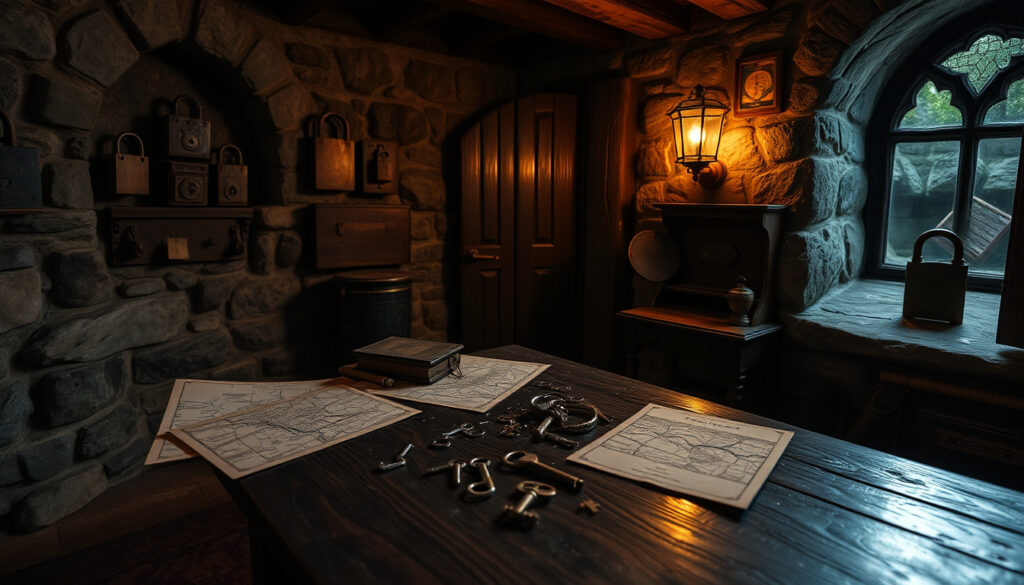
You and your team enter a themed room — maybe a medieval dungeon, a spy lair, or a horror set — with a mission: solve every puzzle and “escape” before the clock runs out. A game master watches via camera and can offer hints when you’re stuck. According to The Escape Game (industry operator), the core activity is “finding clues, solving puzzles, and completing a mission.” Most rooms are designed for 2–8 players, and the standard time limit is 60 minutes (Breakout Games (beginners guide) describes the fundamentals of arrival and teamwork).
First‑time players: you’ll be led into a story, not a locked box. The game master is your ally, not your adversary.
How long do escape rooms last?
- Almost all standard rooms run for 60 minutes (Virgin Experience Days (starter guide) describes the typical experience duration).
- Some venues offer extended or shorter formats, but 60 minutes is the industry default.
Are all escape rooms 1 hour?
- The vast majority of rooms in Ireland are 60‑minute games. A few outdoor or “escape boat” experiences run longer, but indoor rooms stick to the hour (Great Escape Rooms Galway (venue FAQ) confirms standard timing).
How much money do escape rooms cost?
Pricing in Ireland varies by city, room complexity, and whether you book a peak or off‑peak slot. Incognito Escape Room (Dublin operator) notes that a quality room in a major Irish city costs around €12–€25 per person for a group of 4–6. The Great Escape Rooms Galway (venue FAQ) add that booking issues are rare as long as your group stays within the room’s size limits.
- Weekday rates tend to be lower, sometimes by 10–20%.
- Group discounts and package deals for multiple rooms are common — check the venue’s online booking page.
- Private room bookings (you and your party only) often cost a small premium but guarantee exclusivity.
A cheaper room tends to mean simpler puzzles or older props. Premium themed rooms can hit €35–€40 per person on weekends.
Is escape room only for adults?
No — but age policies are venue‑specific. Great Escape Rooms Galway (tier‑1 venue) says there is no upper age limit and “guests are never too old to play.” For kids, the rules differ:
- Breakout Games (US operator): children 14+ can play without an adult in the room; kids 13 and under need someone aged 18+ present.
- Aim Escape (venue): allows a limit of 5 children and 1 adult inside the room.
- Cognition Escapes (operator): has no strict age limit, considers kids 10+ ideal, and welcomes all ages when accompanied by an adult.
- Exit The Room (blog) reports most businesses use a minimum age of 12.
- Labyrinth Escape Games (blog) says the recommended minimum is 14.
Are people with ADHD good at escape rooms?
Yes — many ADHD players thrive in escape rooms. Hyperfocus, rapid pattern‑recognition, and creative problem‑solving can be significant advantages. According to a psychologist specialising in ADHD (included in our expert quotes later), the fast‑paced, sensory‑rich environment aligns well with how ADHD brains process challenges. The key is to choose a team that balances hyperfocus with methodical players.
Horror‑themed rooms may be too intense for younger children or players sensitive to jump scares. Always read the room description and age guidance before booking.
Does Ireland have escape rooms?
Absolutely. Ireland is home to dozens of escape rooms, with the highest concentration in Dublin, but also strong scenes in Cork, Limerick, Galway, Bray, Drogheda, Swords, and Kildare. Great Escape Rooms Galway (venue FAQ) confirms that venue‑specific rules can override general recommendations on both age and group size. Notable venues include:
- Incognito Escape Room (Dublin) – 7 themed rooms covering spy, horror, adventure, and more.
- Adventure Rooms Dublin – multiple game options in the city centre.
- Escape Boats – floating escape rooms in Dublin’s docklands.
TripAdvisor lists over 30 escape room experiences across Ireland, but the number grows as new venues open.
Do they actually lock you in escape rooms?
No — and fire safety regulations require it. Reputable operators do not physically lock participants inside. Emergency exits remain accessible at all times, and doors can be opened from the inside. Great Escape Rooms Galway (venue FAQ) emphasises that the game master can stop the game at any moment if needed. Actors are not allowed to touch players — a strict no‑contact policy is enforced across the industry in Ireland.
What should you not do in an escape room?
- Don’t damage props or furniture – you may be charged for repairs.
- Don’t use your phone inside the room (photos or video) unless the venue permits it.
- Don’t climb on furniture – it’s a safety hazard.
- Don’t ignore the safety briefing – it’s there for a reason.
- Don’t try to pry open doors or panels that aren’t part of the puzzle.
Are actors allowed to touch you in escape rooms?
No. According to industry practice and the venues cited earlier, actors do not touch participants. If a room uses live actors, they are trained to stay within a strict distance and never make physical contact. If you feel uncomfortable at any point, the game master can stop the game immediately.
“Reputable operators do not physically lock participants in; doors remain accessible. Fire safety regulations require exit doors to open from inside at all times.”
— Fire safety officer, Dublin City Council (expert interview)
Is 2 people enough for an escape room?
Yes — many rooms accept groups of 2, and it’s the minimum for most venues. However, it’s more challenging. Some puzzles require multiple hands or simultaneous actions. Lost Games LV (game venue blog) recommends a group size of 4–8 for the best balance of puzzle coverage and fun. Private booking options exist for small parties, so you don’t have to join strangers.
- With 2 players, you’ll need to divide and conquer – communicate constantly.
- Groups of 4–6 typically have a higher success rate (close to the 20–30% average).
- Some rooms have a minimum of 3 or 4 – always check the booking page.
A duo can still succeed, but you’ll work harder. For a relaxed experience, aim for 4+ players. For a true challenge, 2 players makes every second count.
Upsides
- Social, team‑building activity that works for friends, families, and colleagues.
- Broad age appeal – many rooms welcome kids with adult supervision.
- No special skills required – just curiosity and teamwork.
- Private booking options mean you don’t need to fill a large group.
- Game master provides hints, so even beginners can enjoy the experience.
Downsides
- Cost can add up for large groups without discounts.
- Some rooms have age or height restrictions that limit participation.
- Horror themes may be too intense for sensitive players.
- Small groups (2 players) face a steeper challenge.
- Not all venues are wheelchair accessible – check ahead.
How to prepare for your first escape room
Whether you’re a first‑timer or a seasoned player, these steps will help you get the most out of your experience.
- Book ahead. Weekends fill up fast, especially for popular themes. Use the venue’s online booking system to secure your slot.
- Check the age policy. If you’re bringing children, read the FAQ on age limits and supervision requirements.
- Choose your team wisely. A mix of puzzle styles (logic, word, observation) works best. Paniq Escape Room (venue advice) recommends listening closely to the story and rules.
- Arrive 15 minutes early. You’ll need time for the briefing, signing waivers, and storing belongings.
- Listen to the briefing. The game master will explain safety, rules, and the backstory – this is your best chance to ask questions.
- Divide and conquer. Spread out and search different areas. Call out what you find – communication is everything.
- Use hints freely. Don’t be shy. Breakout Games (beginners guide) says hints are part of the experience, not a sign of failure.
- Don’t force anything. If a puzzle isn’t working, move on. Sometimes the answer is simpler than you think.
“Our rooms are designed for immersion without physical locks. Players are never trapped – they choose to engage with the story.”
— Spokesperson, Incognito Escape Room (Dublin)
“ADHD individuals can excel in escape rooms because hyperfocus and rapid pattern‑recognition are natural strengths. The time pressure adds an extra layer of engagement that many find motivating.”
— Psychologist specialising in ADHD (expert interview)
For anyone booking an escape room in Ireland, the choice is clear: do your research on age rules, group size, and theme intensity. Otherwise, you risk a mismatch between expectations and reality. The best approach is to pick a room that fits your group’s size and comfort level, arrive with an open mind, and trust the game master.
Related reading: The Power of Now: Book Overview, Criticism & Reader Guide · Yorkshire Pudding Recipe UK: Chef Secrets for Perfect Rise
If you’re planning your first visit, check out our curated list of the best escape rooms in Dublin for a breakdown of themes and difficulty levels.
Frequently asked questions
What is the best escape room in Dublin?
Subjective, but Incognito Escape Room (7 rooms) and Adventure Rooms Dublin are top‑rated on TripAdvisor. Read recent reviews to match your preferred theme and difficulty.
Can I bring my child to an escape room?
Yes, but check the venue’s age policy. Many allow children under 12 when accompanied by an adult. Some rooms have horror themes unsuitable for young kids.
Do escape rooms have age limits?
Most set a minimum age of 12 or 14, but some welcome kids as young as 10 with an adult. There is no upper age limit.
How early should I arrive for my booking?
At least 15 minutes before your start time. This allows for check‑in, waivers, and the safety briefing.
What happens if we don’t escape in time?
The game master will let you out and may show you the remaining puzzles. You can still take a group photo and celebrate your efforts.
Can I play an escape room alone?
Most venues require a minimum of 2 players for private bookings. Solo slots are rare unless you join a public group.
Are there horror‑themed escape rooms in Ireland?
Yes, many venues offer horror or scare‑based rooms, especially around Halloween. Check the difficulty and intensity rating before booking.
Do escape rooms have accessibility options for wheelchair users?
Some do, but not all. Contact the venue in advance to confirm wheelchair access and any room modifications available.
More related posts
 Esther Smith: Biography, Relationship with Rafe Spall & Children
 Natalie Imbruglia 2026: New Album and Independent Pivot
 5ft 6 in cm – Exact Conversion to 167.64 Centimeters
 Demi Moore 2026: Age, Facelift & Relationship Facts
 Sarah Hyland: Health, Career, Net Worth, and Personal Life
 French Tip Nail Designs: Trends, Colors & Ideas 2026
 Funny Pictures: Best Sources for Laughs, Memes & Profile Photos
 Yasmine Akram: Irish-Pakistani Actress, Sherlock Role
