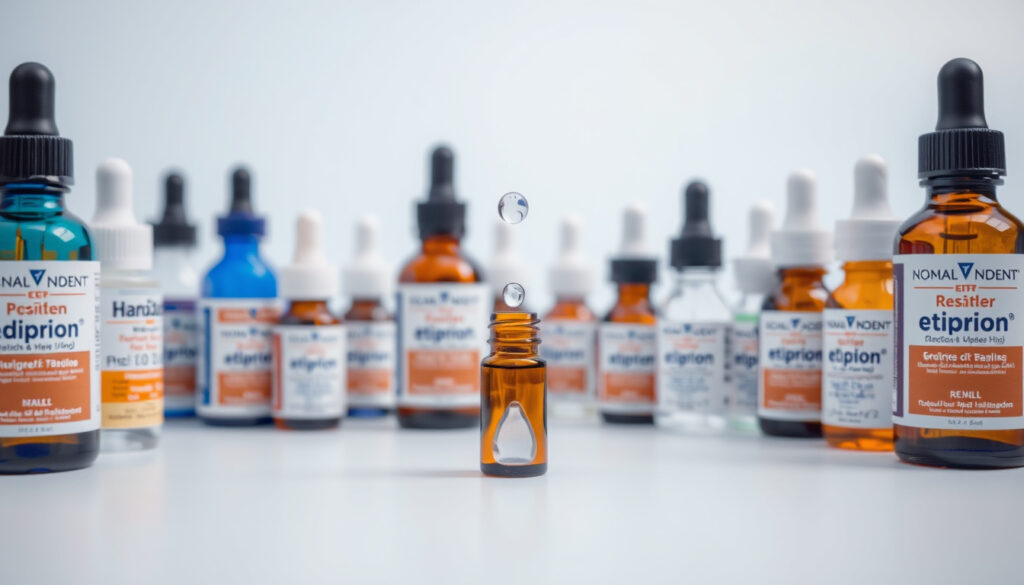
Best Eye Drops for Dry Eyes: 2025 Guide & Top Picks
Anyone who has spent a day staring at a screen and felt that gritty, sandy sensation knows dry eyes are more than a nuisance, and with the Irish Health Service Executive (HSE) estimating about 30% of adults in Ireland experience dry eye symptoms, the pharmacy shelf offers dozens of bottles promising relief. Here is a breakdown of which eye drops actually work, what the research says about ingredients, and how to match a product to the underlying cause of your dry eyes.
Global dry eye prevalence: 5–50% of adults depending on definition ·
Primary types of dry eye: Aqueous deficient and evaporative (meibomian gland dysfunction) ·
Cost of common artificial tears (Ireland): €5–€25 per bottle ·
Frequency of preservative-free drops: Can be used up to 6+ times daily without irritation
Quick snapshot
- Suitable for frequent use (6+ times/day) (NHS (UK health authority))
- Examples: Hylo Forte (HYLO CARE manufacturer site), Hycosan (HYCOSAN manufacturer site), Thealoz Duo (Thealoz Duo manufacturer site)
- No risk of preservative toxicity (NHS (UK health authority))
- Cheaper single-bottle options (GoodRx (drug pricing resource))
- Examples: Boots Dry Eyes Drops, Murine (HealthCentral (health publisher))
- May cause irritation if used more than 4 times/day (HealthCentral (health publisher))
- Anti-inflammatory: Restasis (cyclosporine), Xiidra (lifitegrast) (Cleveland Clinic (academic medical centre))
- Requires ophthalmologist evaluation (Cleveland Clinic (academic medical centre))
- For chronic, moderate-to-severe dry eye (Cleveland Clinic (academic medical centre))
- Warm compresses, lid hygiene (American Optometric Association (professional body))
- Omega‑3 supplements, increased water intake (NIH Office of Dietary Supplements (U.S. federal agency))
- Blink exercises, humidifier use (HSE (Ireland’s public health service))
Key dry eye statistics from trusted sources.
| Fact | Value |
|---|---|
| Prevalence in Ireland | Around 30% of adults experience dry eye symptoms (HSE (Ireland’s public health service)) |
| Most common cause | Meibomian gland dysfunction (evaporative dry eye) (Martin’s Eye Care (optometry practice)) |
| Typical cost of popular drops (Ireland) | Hylo Forte €12-18, Hycosan €8-12, Boots own brand €5-7 |
| Number of drops per bottle | 10 ml bottle ≈ 300 drops |
What is the best eyedrop for dry eyes?
No single drop works for everyone because dry eye has different causes and severities. The choice comes down to two main variables: whether preservatives matter for your usage frequency, and which type of dry eye you have.
Preservative-free vs preserved drops
- Preservative-free drops come in single-use vials or multi-dose bottles with a special valve that prevents contamination. They are recommended when you need drops more than three to five times a day (NHS (UK health authority)).
- Preserved drops contain benzalkonium chloride or similar preservatives. They are cheaper and convenient but can cause irritation with frequent use. HealthCentral reports ophthalmologist advice that preservative-free drops are preferred for moderate to severe dry eye or when drops are needed more than four to six times per day (HealthCentral (health publisher)).
Top-rated brands: Hylo Forte, Hycosan, Thealoz Duo
Three preservative-free brands dominate the Irish market.
- Hylo Forte — a sodium hyaluronate drop marketed for moderate to severe dry eye. A 10 ml bottle lasts about 300 drops and costs €12-18 (HYLO CARE (manufacturer site)).
- Hycosan — also sodium hyaluronate, typically priced at €8-12. It is positioned for general dry eye relief (HYCOSAN (manufacturer site)).
- Thealoz Duo — combines trehalose and sodium hyaluronate for ocular-surface protection rather than simple lubrication (Thealoz Duo (manufacturer site)).
What the research says about the most effective lubricant
Clinical comparisons are sparse, but ingredient logic matters. For aqueous-deficient dry eye, low-osmolarity drops and hyaluronic-acid drops are especially suitable. For evaporative dry eye (meibomian gland dysfunction), lipid-based drops help replenish the tear film’s lipid layer (Martin’s Eye Care (optometry practice)).
Matching the right drop to your dry eye type is the critical step.
What are the two main causes of dry eyes?
Understanding the root cause is the first step to picking the right drop.
Aqueous deficient dry eye
- Occurs when the lacrimal glands do not produce enough watery tears. This is less common but often linked to autoimmune conditions, aging, or certain medications.
- Treatment: hyaluronic acid drops, low-osmolarity drops, and in some cases prescription cyclosporine.
Evaporative dry eye (meibomian gland dysfunction)
- The meibomian glands in the eyelids do not secrete enough oil, allowing the tear film to evaporate too quickly. This accounts for the majority of dry eye cases (Martin’s Eye Care (optometry practice)).
- Treatment: warm compresses, lid hygiene, lipid-based eye drops, and omega-3 supplements.
Mixed cause dry eye
Many people have both aqueous deficiency and meibomian gland dysfunction. The HSE notes that causes can overlap (HSE (Ireland’s public health service)). In these cases, combination therapy — using a hydrating drop during the day and a lipid-based product at night — often works best.
Why this matters: Buying a random bottle off the shelf without knowing your dry eye type is like taking paracetamol for a bacterial infection — it might dull the symptom but won’t fix the underlying mechanism.
What do ophthalmologists recommend for dry eyes?
Eye specialists follow a stepped approach based on severity and cause.
Prescription options: Restasis, Xiidra
- Restasis (cyclosporine 0.05%) and Xiidra (lifitegrast 5%) are anti-inflammatory drops for chronic moderate-to-severe dry eye. Both require a prescription and are not available over the counter in Ireland (Cleveland Clinic (academic medical centre)).
- They take weeks to months to show effect and are typically reserved when artificial tears alone are insufficient.
Over-the-counter recommendations
- For mild dry eye, Specsavers UK advises that buying eye drops is one of the best treatments; a simple and cheap one is Hypermellose (Specsavers (high street optician chain)). Hypermellose is a preserved drop suitable for occasional use.
- For frequent use, the American Optometric Association recommends preservative-free artificial tears (American Optometric Association (professional body)).
Lifestyle and environmental changes
- Warm compresses for 5–10 minutes once or twice daily help unblock meibomian glands.
- Blink breaks every 20 minutes during screen work.
- Use a humidifier in dry indoor environments.
For more on eye care, see our guide on How Long Does Conjunctivitis Last.
Prescription drops cost more and require patience. The HSE advises that many people get dry eyes and it’s not usually serious, but if symptoms persist beyond a few days of self-care, an optician consultation is warranted.
Following these recommendations can help manage chronic dry eye effectively.
What vitamin are you lacking if you have dry eyes?
Nutritional deficiencies can contribute to dry eye, but they are not the most common cause.
Vitamin A
- Severe vitamin A deficiency causes dry eye and night blindness. This is rare in developed countries but can occur with malabsorption disorders or very restrictive diets.
- Beta-carotene-rich foods (carrots, sweet potatoes, spinach) support tear production.
Omega-3 fatty acids
- Omega-3 supplementation may improve tear quality by reducing inflammation and enhancing meibomian gland function. The National Institutes of Health notes evidence that omega-3s can help dry eye symptoms (NIH Office of Dietary Supplements (U.S. federal agency)).
- Common sources: fish oil, flaxseed oil, and algae supplements.
Vitamin D and other micronutrients
- Low vitamin D levels have been linked to dry eye syndrome in some observational studies, but causation is not established. The National Eye Institute notes that more research is needed before recommending vitamin D as a treatment (National Eye Institute (U.S. government research body)).
The catch: Popping vitamin pills is not a shortcut. The most robust evidence supports omega-3 for meibomian gland dysfunction. Vitamin A or D supplementation should only follow a confirmed deficiency diagnosed by a doctor.
How to heal dry eyes quickly?
Immediate relief is possible, but “healing” the underlying condition takes a targeted approach.
Immediate relief with eye drops
- Artificial tears provide relief within minutes. GoodRx notes that one drop four times a day is a common starting point (GoodRx (drug pricing resource)).
- If you need drops more than 4–6 times daily, switch to preservative-free to avoid ocular surface toxicity.
Home remedies: warm compresses, blink breaks
- Warm compresses are the first-line treatment for meibomian gland dysfunction. The heat melts blocked oils, improving tear film stability within days.
- The 20-20-20 rule (every 20 minutes, look at something 20 feet away for 20 seconds) reduces screen-related evaporation.
When to see a doctor
- If symptoms persist for more than a few days despite over-the-counter drops and home care, consult an optician or ophthalmologist (Mayo Clinic (academic medical centre)).
- Red flags: pain, vision changes, sensitivity to light, or discharge — these need urgent evaluation.
Prompt treatment can prevent complications.
Comparison table: Top preservative-free dry eye drops
Three leading brands, one key difference: Thealoz Duo adds trehalose for cellular protection, while Hylo Forte and Hycosan rely on sodium hyaluronate alone.
| Product | Active ingredient(s) | Preservative-free | Typical cost (Ireland) | Best for |
|---|---|---|---|---|
| Hylo Forte | Sodium hyaluronate 0.2% | Yes | €12–18 | Moderate to severe dry eye |
| Hycosan | Sodium hyaluronate 0.1% | Yes | €8–12 | Mild to moderate dry eye |
| Thealoz Duo | Trehalose + sodium hyaluronate | Yes | €15–20 | Ocular surface protection |
| Systane Complete PF | Lipid-based nano-droplet technology | Yes | €14–18 | Evaporative dry eye |
| Refresh Optive PF | Carboxymethylcellulose + glycerin | Yes | €13–17 | Sensitive eyes, post-surgery |
Spec table: Eye drop ingredients and their roles
Six ingredients, six different jobs — matching them to your dry eye type is the shortcut to effective relief.
| Ingredient | Role | Best for dry eye type | Example product |
|---|---|---|---|
| Sodium hyaluronate | Water retention, viscosity | Aqueous deficient | Hylo Forte, Hycosan |
| Trehalose | Cell membrane protection, antioxidant | Ocular surface damage | Thealoz Duo |
| Lipids (mineral oil, castor oil) | Replenish tear film lipid layer | Evaporative (MGD) | Systane Balance, Refresh Optive Mega-3 |
| Hydroxypropyl methylcellulose (hypermellose) | Viscosity agent, lubrication | Mild, occasional use | Boots Dry Eyes Drops |
| Carboxymethylcellulose | Lubrication, moisture retention | General dry eye | Refresh, TheraTears |
| Electrolytes (potassium, bicarbonate) | Restore tear film osmolarity | Mild to moderate | TheraTears |
Pros and cons of preservative-free vs preserved drops
Upsides
- Preservative-free: Safe for 6+ daily uses; no preservative toxicity
- Preservative-free: Suitable for sensitive eyes and contact lens users
- Preserved: Lower cost per drop (€0.10–0.25 per use)
- Preserved: Convenient multi-dose bottle
Downsides
- Preservative-free: Higher cost per use (€0.50–1.00 for single vials)
- Preservative-free: Single-use vials generate more plastic waste
- Preserved: Risk of corneal irritation with frequent use
- Preserved: Not recommended for moderate-to-severe dry eye
How to choose and use eye drops for dry eyes: a step-by-step guide
- Identify your dry eye type. If your eyes feel gritty but don’t water much, suspect aqueous deficiency. If they feel oily or get worse in air conditioning, suspect evaporative dry eye. An optician can confirm with a tear break-up time test.
- Match the drop to the cause. Aqueous deficiency → hyaluronic acid or low-osmolarity drops. Evaporative → lipid-based drops. Mixed → alternate between the two or use a combination product.
- Decide on frequency. If you need drops more than 4 times daily, choose preservative-free every time (HealthCentral (health publisher)).
- Check the packaging. Multi-dose preservative-free bottles (like Hylo Forte) are more economical than single-use vials for regular use.
- Apply correctly. Tilt your head back, pull down the lower lid, place one drop in the pocket, close your eye gently for 30 seconds, and press on the inner corner (nasolacrimal duct) to keep the drop on the eye.
- Add lifestyle measures. Warm compresses, omega-3 supplements, and blink breaks reinforce the drop’s effect.
- Reassess after two weeks. If symptoms haven’t improved, see an optician or GP. You may need prescription drops or further investigation for underlying conditions. To save on purchases, check our Simple Online Pharmacy discount codes.
Clarity: what we know and what remains uncertain about dry eye drops
Confirmed facts
- Dry eye causes include meibomian gland dysfunction and aqueous deficiency (Martin’s Eye Care (optometry practice)).
- Preservative-free drops are safer for frequent use (NHS (UK health authority)).
- Artificial tears provide temporary relief (GoodRx (drug pricing resource)).
What’s unclear
- The single best eye drop for all individuals is not established.
- Effectiveness of vitamin D in treating dry eye is still debated (National Eye Institute (U.S. government research body)).
- Whether dry eye can be permanently cured depends on the underlying cause.
Expert perspectives on dry eye relief
Many people get dry eyes and it’s not usually serious.
— HSE (Ireland’s public health service)
Buying eye drops is one of the best treatments for dry eyes; a simple and cheap one is Hypermellose.
Preservative-free drops are preferred for moderate to severe dry eye or when drops are needed more than four to six times per day.
— HealthCentral (health publisher)
One drop four times a day is a common starting point for OTC artificial tears.
— GoodRx (drug pricing resource)
What this means for Irish readers
Dry eye is rarely an emergency, but chronic symptoms affect quality of life — they make screen work uncomfortable, contact lens wear difficult, and can even disrupt sleep. The good news is that effective, affordable options exist on Irish pharmacy shelves. The key is matching the drop chemistry to your dry eye type and usage frequency. For the person in Dublin or Cork who reaches for drops five times a day, a preservative-free multi-dose bottle like Hylo Forte at €12–18 is both safer and more economical than buying single-use vials. For occasional dryness, a preserved bottle from Boots at €5–7 does the job. The choice is clear: know your cause, know your frequency, and choose accordingly.
haasvisioncenter.com, pacificeyemd.com, seattleeyecaredoctor.com, youtube.com
For those in Ireland looking for local pharmacy options, our 2025 guide on the best eye drops for dry eyes includes specific recommendations from Boots Ireland and Specsavers.
Frequently asked questions
Can dry eye lead to permanent vision loss?
Severe, untreated dry eye can damage the corneal surface and increase the risk of infection, but permanent vision loss is rare. If you experience pain, vision changes, or discharge, see an eye specialist immediately (Mayo Clinic (academic medical centre)).
Are eye drops with preservatives safe for daily use?
Yes, for occasional use (up to 4 times a day). Frequent daily use can lead to preservative toxicity and worsen dry eye symptoms. Switch to preservative-free if you need drops more than 4 times daily (HealthCentral (health publisher)).
How long do artificial tears typically last?
Liquid drops provide relief for 30–90 minutes depending on the formulation. Gels and ointments last longer (several hours) but blur vision, making them better for nighttime use (GoodRx (drug pricing resource)).
What is the difference between Hylo Forte and Hycosan?
Both are sodium hyaluronate preservative-free drops. Hylo Forte has a higher concentration (0.2% vs 0.1%) and is designed for moderate to severe dry eye. Hycosan is better for milder symptoms (HYLO CARE (manufacturer site)).
Is it safe to use eye drops while wearing contact lenses?
Only preservative-free drops are safe for use with contact lenses. Preservatives can absorb into lenses and irritate the eye. Always remove lenses before applying drops and wait 15 minutes before reinserting (American Optometric Association (professional body)).
What should I do if eye drops make my eyes sting?
Stinging can indicate a preservative sensitivity or that the drop’s pH/osmolarity doesn’t match your tear film. Try a preservervative-free brand. If stinging persists, consult an optician.
Can dry eye be a symptom of an underlying condition?
Yes. Dry eye can be associated with autoimmune diseases (Sjögren’s syndrome, rheumatoid arthritis), thyroid disorders, diabetes, or medication side effects (antihistamines, antidepressants). If you have unexplained dry eye, a medical check-up is warranted (National Eye Institute (U.S. government research body)).
More related posts
 Katie Leung: Harry Potter, Bridgerton, Ethnicity & More
 Mark Feely: Verified Records from LinkedIn, Companies House
 Hotpoint Washing Machine F05 Error Explained & Fixed
 Escape Room in Ireland: Cost, Age, Safety & What to Expect
 Martin Lewis Travel Insurance: Cheap Recommendations & Tips
 Gregg Wallace MasterChef Exit: BBC Allegations & Legal Claim
 Anne Bancroft: Cause of Death, Mrs. Robinson & Mel Brooks
 Kiell Smith-Bynoe: TV Shows, Taskmaster & Improv Comedy
