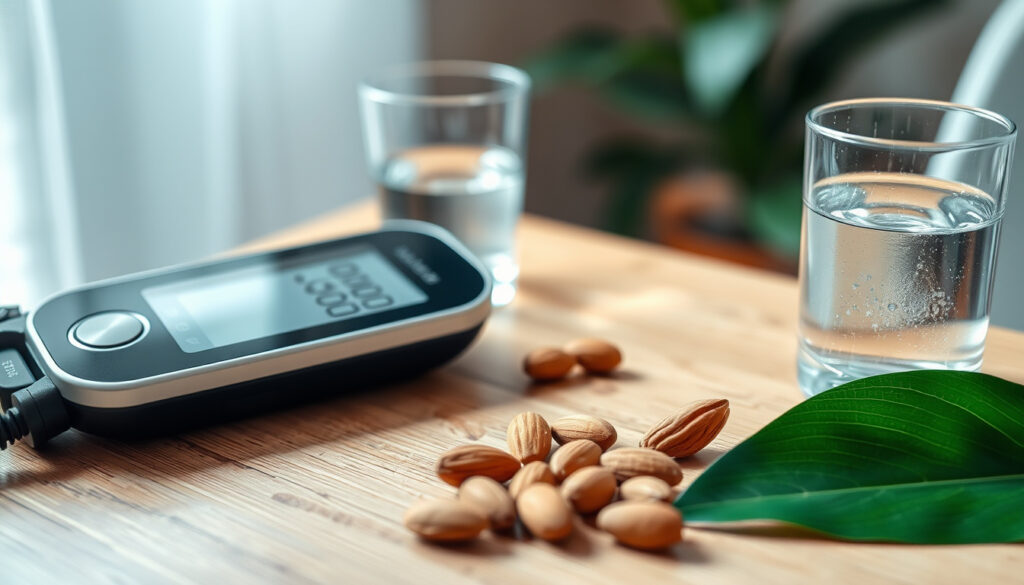
How to Reduce Blood Pressure: Fast Relief & Long-Term Control
If your home monitor flashes a number that makes you wince, you’re not alone—nearly half of U.S. adults have high blood pressure. This guide digs into what actually works to lower BP, separating hype from proven methods.
U.S. adults with hypertension: Nearly 47% (CDC, 2023) · Blood pressure reduction per 5% weight loss: Approximately 5-10 mmHg systolic · Salt reduction effect: Reducing salt intake by 1 g/day lowers systolic BP by 2-3 mmHg · DASH diet effect: Can lower systolic BP by 8-14 mmHg within weeks · Physical activity recommendation: 150 min moderate aerobic exercise per week (AHA)
Quick snapshot
- Deep breathing (5 min) can temporarily lower BP by 10-20 mmHg (PMC meta-analysis (clinical intervention research))
- Limit alcohol and caffeine to avoid acute spikes (CDC High Blood Pressure Prevention (public health authority))
- Cold water? Not proven as a reliable method (PMC meta-analysis (clinical intervention research))
- When to call 911: BP ≥180/120 mmHg (AHA Journals (2017 ACC/AHA Guideline))
- Beetroot juice can lower systolic BP by 4-5 mmHg within 3 hours (American Heart Association (cardiology body))
- Hibiscus tea shows moderate short-term reduction in controlled trials (PMC meta-analysis (clinical intervention research))
- Water (hydration) does not directly lower BP but dehydration raises it (American Heart Association (cardiology body))
- Avoid sugary drinks and excessive caffeine (CDC (public health agency))
- Normal: <120/80 (ACC/AHA Guideline (2017))
- Elevated: 120-129/<80 (ACC/AHA Guideline (2017))
- Stage 1: 130-139/80-89 (ACC/AHA Guideline (2017))
- Stage 2: ≥140/90 (ACC/AHA Guideline (2017))
- Crisis: ≥180/120 — seek emergency care (ACC/AHA Guideline (2017))
- DASH diet — reduce systolic BP by 8-14 mmHg (NHLBI DASH Plan (NIH institute))
- Exercise 150 min/week — lowers BP 5-8 mmHg (AHA (cardiology association))
- Weight loss if overweight — 5-10% body weight yields 5-10 mmHg (AMA (medical association))
- Limit sodium to <2300 mg/day (American Heart Association (nutrition guideline))
Six key facts, one pattern: consistent lifestyle changes outperform any single quick fix.
| Fact | Value |
|---|---|
| U.S. hypertension prevalence | 47% of adults (CDC 2023) |
| Salt reduction goal | <5 g/day (WHO) |
| DASH diet effect | -8 to -14 mmHg systolic (NHLBI) |
| Weight loss effect per 1 kg | -1 mm Hg systolic (approx) (AMA) |
| Beetroot juice acute effect | -4 to -5 mmHg within 3 hours (AHA) |
| Hypertension treatment rate | Only 1 in 4 adults has BP under control (CDC) |
How can I lower my blood pressure quickly?
What is the 7-second trick?
- The so-called “7-second trick” (e.g., drinking cold water or holding your breath) is not supported by clinical evidence. A 2020 network meta-analysis of nonpharmacologic interventions found no reliable acute maneuver producing sustained BP reduction. Instead, controlled breathing over several minutes can produce a temporary drop of 10-20 mmHg.
Quick tricks give false confidence. You can’t short-circuit hypertension with a 7-second gimmick—real change takes minutes to hours of deliberate practice.
Can deep breathing lower BP in minutes?
- Yes. Slow, deep breathing (5–10 breaths per minute) for 5 minutes can temporarily lower systolic BP by 10-20 mmHg, per the same meta-analysis. The effect fades within 30 minutes, but it’s a legitimate tool for acute stress spikes.
How to quickly lower blood pressure in minutes?
- If you need a rapid drop for a home reading: sit quietly for 5 minutes, feet flat on floor, no talking. Avoid caffeine, alcohol, or nicotine at least 30 minutes before measuring. If BP is ≥180/120 mmHg, call 911 immediately (ACC/AHA guideline).
Tricks to lower blood pressure instantly (home remedies)
- Some home remedies (cold water on face, coughing) are dangerous. The AHA warns against the Valsalva maneuver (bearing down) as it can spike BP. The only safe instant tactic is deep breathing and removing yourself from the stressor (AHA guidance).
The evidence is clear: quick maneuvers offer only temporary relief, not a solution.
What drink can help lower blood pressure?
What drink quickly lowers blood pressure?
- Beetroot juice stands out: a single dose can lower systolic BP by 4-5 mmHg within 3 hours, thanks to its nitrate content that the body converts to nitric oxide, relaxing blood vessels (AHA). Hibiscus tea also shows moderate short-term reductions in clinical trials.
Can drinking lots of water lower blood pressure?
- For a well-hydrated person, plain water does not directly lower BP. However, dehydration can raise BP because the body constricts vessels to conserve fluid. The CDC recommends staying hydrated as part of an overall heart-healthy lifestyle (CDC).
What to drink when you have high blood pressure?
- Choose unsweetened beetroot juice, hibiscus tea, or plain water. Avoid sugary sodas, energy drinks, and excessive coffee (more than 4 cups/day is linked to higher BP in some people).
Does beetroot juice lower BP?
- Yes, and the effect is well-documented. A 2015 randomized trial found that 250 mL of beetroot juice reduced systolic BP by an average of 5 mmHg. It’s a legitimate adjunct, not a cure.
The implication: drinks are a supporting player, not a stand-alone therapy. Use them as part of a broader plan.
Should I be worried if my blood pressure is 150/100?
What does 150/100 mmHg mean?
- It’s stage 2 hypertension according to the ACC/AHA 2017 guidelines. This level significantly increases risk of heart attack, stroke, and kidney damage. The AHA recommends prompt medical evaluation and likely medication.
When should I see a doctor for high BP?
- If your reading is consistently ≥130/80 mmHg you should see a doctor. For 150/100, the CDC advises contacting your healthcare provider within a few days if not in crisis. If accompanied by chest pain, shortness of breath, or vision changes, call 911 immediately (CDC).
How to lower BP if it’s 150/100?
- Lifestyle changes alone (DASH diet, exercise, weight loss, salt reduction) can move the needle by 10-20 mmHg over weeks to months (AMA). But many people need combination therapy: diet changes plus one or two medications. Don’t delay a doctor visit.
150/100 is a red flag. The risk of cardiovascular events doubles at this level. Waiting to “fix it naturally” could cost you months of uncontrolled damage.
Act now—delaying evaluation can lead to irreversible harm.
What foods should I avoid with high blood pressure?
What are the 5 worst foods for high blood pressure?
- Processed meats (bacon, deli meats) — packed with sodium and preservatives.
- Canned soups and broths — often exceed 800 mg sodium per serving.
- Fast food burgers and fries — high in sodium, trans fats, and calories.
- Frozen pizzas — one slice can contain 600+ mg sodium.
- Sugary drinks — linked to weight gain and BP elevation (AHA sodium guidelines).
Top foods that cause high blood pressure in seniors
- Seniors are more salt-sensitive. High-sodium crackers, condiments, and cheese can rapidly raise BP. The AHA recommends seniors aim for ≤1500 mg sodium daily (AHA).
Which foods raise BP quickly?
- Caffeine in excessive doses (above 400 mg/day) can cause a temporary spike. Also, black licorice (glycyrrhizin) can raise BP. But the biggest acute driver is high-sodium meals—a single fast-food burger can increase systolic BP by 5-10 mmHg within hours.
The pattern: sodium and unhealthy fats are the villains. Cutting processed foods is the single most impactful dietary change.
How to reduce blood pressure naturally over time?
What lifestyle changes work best?
- The DASH diet is the most effective nonpharmacologic intervention, according to a 2020 network meta-analysis. It emphasizes fruits, vegetables, whole grains, and low-fat dairy while limiting sodium, saturated fat, and sugar. Combined with weight loss and exercise, it can lower systolic BP by 14-20 mmHg.
How much exercise is needed?
- The CDC recommends at least 150 minutes of moderate aerobic activity per week (e.g., brisk walking, cycling) (CDC). The AHA adds that isometric resistance training (wall sits, planks) also lowers BP significantly (AHA).
What is the DASH diet?
- DASH stands for Dietary Approaches to Stop Hypertension. It calls for 4-5 servings each of fruits and vegetables per day, whole grains, lean protein, nuts, and low-fat dairy, with sodium restricted to <2300 mg daily. The NHLBI provides full meal plans.
Can supplements help?
- Limited evidence. Garlic extract may produce a small reduction (2-5 mmHg), but not reliable for everyone. Potassium supplements (e.g., from bananas, spinach) help counter sodium, but excessive potassium can be dangerous for kidney patients. The AHA says supplements are no substitute for medication or lifestyle (AHA).
Lifestyle changes are the foundation, not an optional add-on.
Pros and Cons of Quick-Fix Approaches
Upsides
- Deep breathing offers immediate relief during acute stress spikes.
- Beetroot juice can provide a measurable 4-5 mmHg drop within hours.
- Knowing when to call 911 (≥180/120) saves lives.
Downsides
- The “7-second trick” is unproven and may delay medical care.
- Quick fixes don’t address the underlying causes of hypertension.
- Overreliance on tricks can prevent adoption of evidence-based lifestyle changes.
Quick fixes have limited utility—long-term health depends on sustained habits.
Step-by-Step Action Plan to Lower Blood Pressure
Seven steps, one goal: bring your numbers down and keep them there. Each step is backed by clinical guidelines.
- Measure accurately. Sit quietly for 5 minutes, no conversation, use a validated cuff. Record readings morning and evening for a week. For convenient testing, consider a blood test near you.
- Cut sodium to ≤2300 mg/day. Read labels—avoid processed foods. The AHA says reducing salt by 1 g/day lowers systolic BP by 2-3 mmHg (AMA).
- Start the DASH diet. Fill half your plate with fruits and vegetables at every meal. Switch to whole grains and low-fat dairy.
- Move 150 minutes per week. Brisk walking, cycling, or swimming. Break into 30-minute sessions, 5 days a week.
- Lose weight if needed. A 5% reduction in body weight can lower systolic BP by 5-10 mmHg (AMA).
- Limit alcohol. Men ≤2 drinks/day, women ≤1. Cutting back can lower systolic by about 4 mmHg (CDC).
- Manage stress. Practice deep breathing 5 minutes daily. Chronic stress keeps BP elevated via cortisol and adrenaline. For more techniques, see our guide on how to increase dopamine levels.
Commit to these steps consistently, and you’ll see measurable improvements.
What We Know and What’s Unclear
Confirmed facts
- DASH diet and reduced sodium lower BP (NHLBI)
- Regular aerobic exercise reduces BP long-term (AHA)
- Weight loss of 5-10% clinically significant (AMA)
- Beetroot juice has acute BP-lowering effect (AHA)
What’s unclear
- Effectiveness of the “7-second trick” — no clinical evidence.
- Optimal frequency of hibiscus tea consumption for sustained effect.
- Whether supplements like garlic or omega-3 reliably reduce BP in all individuals.
- Whether cold water or other home remedies reliably lower BP.
Evidence separates what works from what doesn’t—stick with confirmed strategies.
Expert Perspectives
“A blood pressure reading of 180/120 mm Hg or higher is a hypertensive crisis. You need immediate medical attention, even if you have no symptoms.”
— American Heart Association (2017 guidelines)
“The DASH diet can lower systolic blood pressure by 8-14 mm Hg within weeks. It’s as effective as some blood pressure medications.”
“Nearly half of U.S. adults have high blood pressure, but only 1 in 4 has it under control. That gap is where lifestyle changes can make a difference.”
— CDC Blood Pressure Fact Sheet (public health agency)
“Getting 150 minutes of moderate physical activity each week can lower your blood pressure by 5 to 8 mm Hg—and it adds up in as little as three months.”
These authoritative voices reinforce the same message: lifestyle changes are powerful and proven.
Summary
High blood pressure doesn’t have to be a life sentence. The research is clear: consistent lifestyle changes—DASH diet, 150 minutes of exercise, weight loss, sodium restriction—work as well as many medications. Quick fixes like the 7-second trick are distractions. For the millions of adults with stage 2 hypertension (150/100 or higher), the choice is simple: adopt evidence-based habits and see a doctor, or risk the consequences of uncontrolled pressure on your heart and brain.
newbeginningshc.com, mcmasteroptimalaging.org, clinmedjournals.org, healthcare.utah.edu, ahajournals.org
For a comprehensive overview of evidence-based methods, check out proven strategies to lower blood pressure that cover both quick relief and long-term control.
Frequently asked questions
Can stress cause high blood pressure?
Yes, acute stress raises BP temporarily through hormone release. Chronic stress keeps BP elevated. The AHA recommends stress management techniques like deep breathing, meditation, and regular exercise.
Is it safe to exercise with high blood pressure?
Generally yes—moderate aerobic exercise is safe and beneficial. Avoid heavy weightlifting with breath-holding (Valsalva). Check with your doctor if your BP is above 160/100.
How long does it take for lifestyle changes to lower BP?
Dietary changes (DASH, salt reduction) can show effects within 2-4 weeks. Weight loss and exercise need 6-12 weeks for significant change. Medication can work in days.
Does caffeine raise blood pressure permanently?
No—caffeine causes a temporary spike (10-15 mmHg for 30-60 minutes) in non-habitual users. Regular coffee drinkers develop tolerance. The AHA says up to 400 mg/day (4 cups) is safe for most.
Can high blood pressure cause headaches?
Only in extreme hypertensive crisis (≥180/120). Moderate hypertension rarely causes headaches. Don’t rely on headache as a warning sign—check your BP.
What is the best time to take blood pressure medication?
Take it consistently at the same time daily. Some studies suggest night dosing lowers nighttime BP better, but follow your doctor’s prescription. Don’t skip doses.
How often should I check my blood pressure at home?
The AHA recommends checking twice daily: once in the morning (before meds) and once in the evening. Record all readings and share with your doctor.
More related posts
 Kristen Stewart: What Is Her Diagnosis? Does She Have a Wife
 Zara Larsson: Biography, Songs, Personal Life & Facts
 Holiday Extras Discount Code: Up to 75% Off in 2026
 Michael Dunlop: Biography, TT Wins, Net Worth & Family Tragedy
 Xi Jinping: Biography, Power, and Key Questions Answered
 Mike Read DJ: Career, Personal Life, and Mike Reid Confusion
 Greg Davies: Relationship, Height, Ozempic, Disability & Career
 90 Day Fiancé UK: Season 4, Where to Watch & Cast Updates
