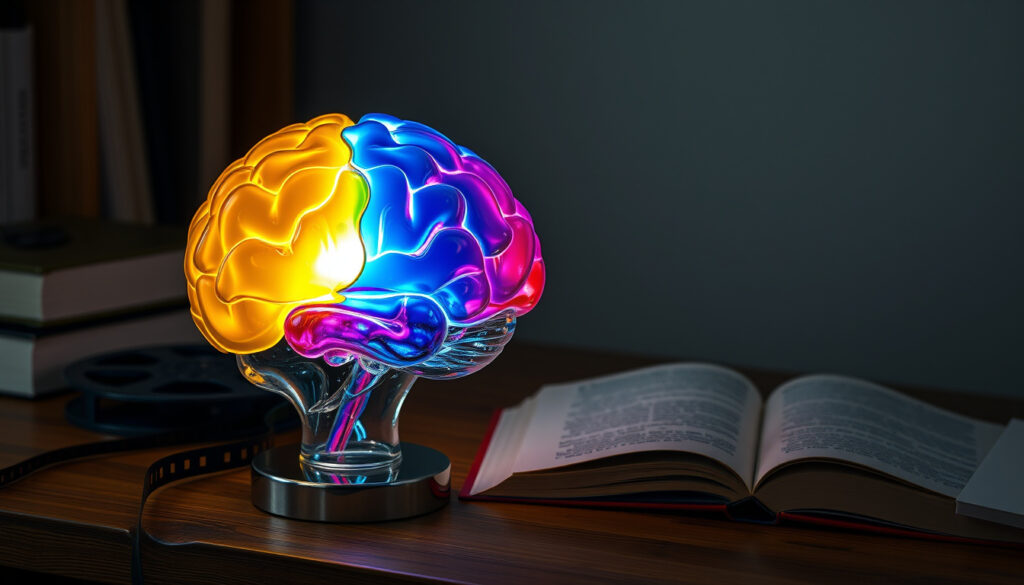
Inside Out Emotions: Full List, Psychology & Film Guide
Few animated films manage to make you laugh, cry, and rethink how your own brain works all in 95 minutes, but Pixar’s Inside Out pulled it off. The 2015 hit turned five abstract emotions into memorable characters and, unexpectedly, won over psychologists in the process.
Worldwide box office: $858.8 million ·
Rotten Tomatoes score: 98% ·
Academy Award wins: 1 (Best Animated Feature) ·
Emotions in original film: 5 ·
Emotions in Inside Out 2: 9 (5 original + 4 new) ·
Release years: 2015 / 2024
Quick snapshot
- Five original emotions: Joy, Sadness, Fear, Anger, Disgust (Berkeley University research)
- Inside Out 2 adds Anxiety, Envy, Embarrassment, Ennui (CBC Kids News)
- Exact plot details of Inside Out 2 not fully revealed
- Whether Pixar will produce Inside Out 3
- June 2015: Original film premieres (People magazine)
- June 2024: Inside Out 2 scheduled release (People magazine)
- Inside Out 2 hits theaters June 14, 2024
- New emotions explore puberty and self-consciousness
The table below summarizes key franchise facts.
| Fact | Details |
|---|---|
| Year released | 2015 (Inside Out), 2024 (Inside Out 2) |
| Director | Pete Docter (Inside Out), Kelsey Mann (Inside Out 2) |
| Voice cast (original) | Amy Poehler (Joy), Phyllis Smith (Sadness), Bill Hader (Fear), Lewis Black (Anger), Mindy Kaling (Disgust) |
| Box office | $858.8 million worldwide (Inside Out) |
| Awards | 1 Academy Award, 1 Golden Globe (Inside Out) |
| MPAA rating | PG |
What are the 9 emotions in Inside Out?
The original Inside Out introduced five personified emotions living inside 11-year-old Riley’s mind. The sequel expands that crew to nine, adding emotions that reflect the complexity of adolescence.
The five original emotions in Inside Out
- Joy (voiced by Amy Poehler) — the hyperactive leader determined to keep Riley happy. Berkeley researchers describe the film’s central insight as embracing sadness alongside joy (Berkeley University research).
- Sadness (Phyllis Smith) — slow, pessimistic, but ultimately essential. Psychologists from Berkeley highlight that sadness can help pull people together after loss.
- Fear (Bill Hader) — the nervous planner who keeps Riley safe from physical and social threats.
- Anger (Lewis Black) — hot-tempered and justice-obsessed, he ensures things stay fair.
- Disgust (Mindy Kaling) — keeps Riley from being poisoned — physically or socially.
The five correspond to five of the six scientifically validated universal emotions identified by psychologist Paul Ekman, with surprise as the missing sixth (Psychology Today analysis).
Pixar didn’t pick emotions at random — they mapped directly onto the basic-emotion framework that researchers like Ekman and Robert Plutchik spent decades defining. That foundation is why the film feels scientifically grounded, not just creatively whimsical.
The four new emotions in Inside Out 2
- Anxiety — arrives during puberty to anticipate future threats. Related to Plutchik’s anticipation emotion.
- Envy — the “wanting what others have” emotion that becomes louder in adolescence.
- Embarrassment — a self-conscious emotion tied to social evaluation, common in the teen years.
- Ennui — the boredom and apathy that often accompanies early adolescence.
According to Pixar, these four were selected because they represent the self-consciousness associated with puberty (CBC Kids News). The implication: as Riley grows, her emotional palette expands from survival-based feelings (fear, disgust) to socially complex ones.
What do psychologists say about Inside Out?
Unlike most children’s movies, Inside Out received a warm welcome from the academic psychology community — and not just because it’s entertaining.
Psychological accuracy of Inside Out
Berkeley psychologists praised the film for illustrating emotional complexity in an accessible way (Berkeley University research). The film shows emotions competing for control of Riley’s mind, organizing memories by emotional category — a simplified but recognizable model of how the brain processes affect.
The University of West Alabama notes that emotional experiences have three components: subjective experience, physiological response, and behavioral or expressive response (University of West Alabama). Inside Out visualizes all three by giving each emotion a physical effect on Riley’s actions.
Why therapists recommend the film
The film’s most radical insight: sadness has a necessary function. Berkeley researchers highlight that sadness can help pull people together and reunite them after loss (Berkeley University research). The narrative arc — where Sadness is initially suppressed but ultimately saves the day — aligns with emotion regulation research showing that accepting negative emotions leads to better mental health outcomes.
Many therapists use the film as a tool to help children and parents talk about emotional life. The catch: Inside Out is a simplified model that emphasizes emotional functions rather than diagnostic accuracy, as noted by media commentary (Traitify analysis). It’s a teaching aid, not a textbook.
Parents who use the film as a conversation starter with kids should know the science is sound at the macro level — emotions exist, they have functions — but the “control room” metaphor is a dramatic device. Real emotion regulation is distributed across brain networks, not run by five characters at a console.
What is Plutchik’s theory of emotions and how does Inside Out use it?
Robert Plutchik’s wheel of emotions is one of the most cited frameworks in affective science. Inside Out borrows heavily from it — though not every emotion made the cut.
Robert Plutchik’s wheel of emotions
Plutchik proposed eight primary emotions: joy, trust, fear, surprise, sadness, disgust, anger, and anticipation (Oxford Academic). He arranged them on a color-coded wheel where opposite emotions sit across from each other, and combinations create secondary feelings like optimism (joy + anticipation) or contempt (disgust + anger).
Comparing Plutchik’s 8 primary emotions to Inside Out’s 5
Seven items, one pattern: Inside Out uses Plutchik’s core set but drops three — trust, surprise, and anticipation — for narrative clarity.
| Plutchik’s 8 emotions | Inside Out (2015) | Inside Out 2 (2024) |
|---|---|---|
| Joy | Yes | Yes |
| Sadness | Yes | Yes |
| Fear | Yes | Yes |
| Disgust | Yes | Yes |
| Anger | Yes | Yes |
| Surprise | No | No |
| Trust | No | No |
| Anticipation | No | Anxiety (related) |
Why this matters: Inside Out 2‘s Anxiety is functionally similar to Plutchik’s anticipation — both involve preparing for future events. The film adapts academic theory into character traits that 11-year-olds (and their parents) can recognize instantly.
Why is Inside Out so popular?
The numbers tell a clear story: Inside Out holds a 98% Rotten Tomatoes score from 381 reviews (Rotten Tomatoes), earned $858.8 million worldwide, and won the Academy Award for Best Animated Feature in 2016.
But the statistics only capture part of the picture. The film resonated because it gave adults permission to feel sad and children a language to talk about emotions. Director Pete Docter consulted psychologists during production to ensure emotional accuracy, a fact that impressed both critics and clinicians (Berkeley University research).
Why it matters: Inside Out succeeded because it treated children as capable of understanding complex emotional truths. It didn’t simplify the story — it trusted that young audiences could handle the idea that sadness isn’t the enemy.
Is Inside Out appropriate for kids?
The film carries a PG rating for “mild thematic elements and rude humor,” but the real question for parents is emotional, not regulatory.
Parental guidance recommendations
Common Sense Media recommends Inside Out for ages 7 and up, noting that some scenes may upset sensitive children (Common Sense Media). The most famous example: the death of Bing Bong, Riley’s imaginary friend, who fades away when Joy finally accepts that Sadness has a role.
- For ages 7-9: Most children can follow the plot but may need help processing Bing Bong’s disappearance.
- For ages 10+: The emotional messages land clearly and can spark meaningful conversations about feelings.
- For parents: The film works as a shared experience — you’ll probably cry more than your child does.
The trade-off: the emotional intensity that makes Inside Out powerful for older kids and adults can be overwhelming for very young viewers. Parents of 4-6 year olds may want to watch it first or skip the final act.
“The central insight of the film is that we should embrace sadness — and that parents should engage patiently with their preteen’s emotional struggles.”
— Berkeley Research commentary on Inside Out (Berkeley University research)
“I consulted with psychologists to make sure the emotions were grounded in real research. We wanted it to feel true, not just entertaining.”
— Pete Docter, director of Inside Out
Timeline
- June 19, 2015: Inside Out premieres in US theaters
- February 28, 2016: Film wins Academy Award for Best Animated Feature
- September 2022: Pixar officially announces Inside Out 2
- June 14, 2024: Inside Out 2 scheduled to hit theaters
The gap between announcement and release — nearly two years — reflects Pixar’s production cycle. For fans, the wait means nine emotions instead of five.
The verdict: Pixar turned academic emotion theory into a box office phenomenon. For parents looking to help children understand their feelings, Inside Out offers a scientifically grounded conversation starter. For psychologists, it’s a rare example of entertainment that respects the complexity of human emotion. The choice for viewers waiting on Inside Out 2 is clear: rewatch the original with a fresh eye for the science behind the story, or wait to see how Anxiety, Envy, Embarrassment, and Ennui reshape Riley’s inner world.
Related reading: Mind Flayer: Stranger Things and D&D Explained · Nancy Wheeler: Character Guide, Relationships, and Actor Facts
youtube.com, youtube.com, study.com, youtube.com, youtube.com, tecnofoco.es
For a deeper dive into the psychology and sequels of Inside Out, check out this comprehensive guide that explores the emotional landscape and upcoming films.
Frequently asked questions
What is Inside Out about?
The film follows 11-year-old Riley as she moves to San Francisco with her family. Inside her mind, five personified emotions — Joy, Sadness, Fear, Anger, and Disgust — try to help her adjust. The story explores what happens when Joy and Sadness get lost in the memory archives and must find their way back to headquarters.
Who are the main characters in Inside Out?
The five emotions: Joy (Amy Poehler), Sadness (Phyllis Smith), Fear (Bill Hader), Anger (Lewis Black), and Disgust (Mindy Kaling). Outside the mind, Riley and her parents are the main human characters.
How many emotions are in Inside Out?
The original film features five emotions. Inside Out 2 adds four more — Anxiety, Envy, Embarrassment, and Ennui — for a total of nine emotions in the sequel.
What are the new emotions in Inside Out 2?
Anxiety, Envy, Embarrassment, and Ennui. Pixar selected them to represent the self-conscious emotions that intensify during puberty (CBC Kids News).
Why do psychologists like Inside Out?
Psychologists praise the film for illustrating emotional complexity, showing sadness as a necessary function rather than a problem, and aligning with emotion regulation research (Berkeley University research).
Is Inside Out sad?
Yes — the film’s emotional climax, involving the fading of Riley’s imaginary friend Bing Bong, has been described by audiences as devastating. But the sadness serves a narrative purpose: it shows that grief and loss are part of growing up.
Where can I stream Inside Out?
Inside Out is available on Disney+ as of 2024. It can also be rented or purchased through major digital platforms including Amazon Prime Video, Apple TV, and Google Play.
More related posts
 Freedom Bus Pass vs 60+ Oyster: What’s the Difference
 Captain Cook: Explorer, Scientist, and Contested Legacy
 Stephen Graham: Biography, Dyslexia, Family, and Net Worth
 Alice Roberts: Biography, Age, Husband, Net Worth & More
 Anthony Boyle: Northern Irish Actor’s Biography and Career
 How Many Countries Are There in the World? 195 or 256
 Italian Bach Biography: Real Name, Age, and Girlfriend
 Billy Billingham: Career, Rank, Worth and Family Facts
