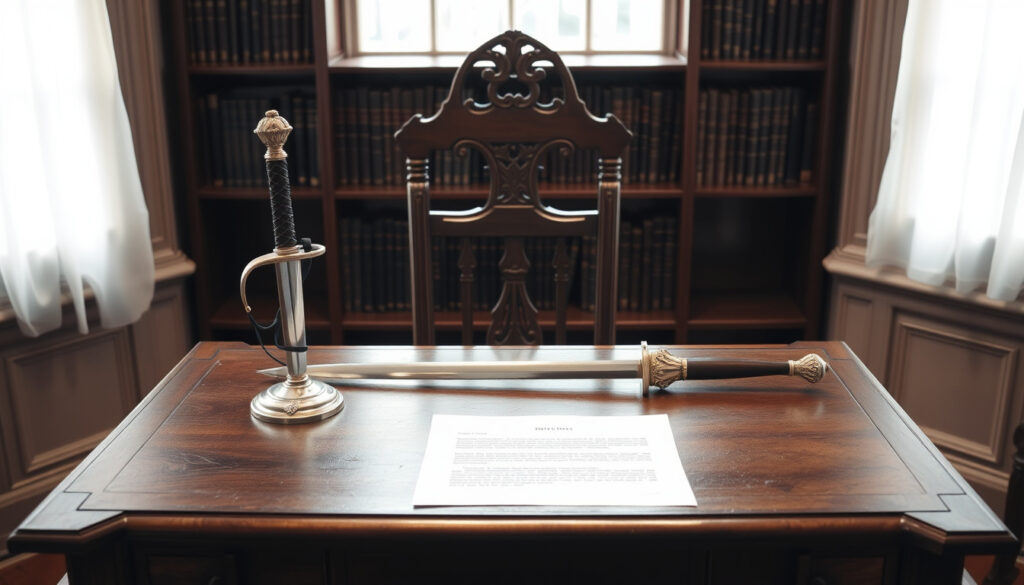
Why Did Alan Bennett Refuse a Knighthood? Biography & Facts
Alan Bennett has a quiet way of making the ordinary feel extraordinary — whether through the hushed monologues of Talking Heads or the improbable true story of a woman who lived in his driveway for 15 years. But one decision always stands apart: his refusal of a knighthood in 1996. Here’s why that choice, and the life behind it, reveals everything about his deep commitment to literary integrity over royal recognition.
Born: 9 May 1934, Leeds, Yorkshire, England · Famous works: The Madness of George III, The History Boys, Talking Heads, The Lady in the Van · Knighthood refusal: Declined in 1996 · Long‑term partner: Rupert Thomas · Awards: 4 BAFTA Awards, multiple Olivier Awards
Quick snapshot
- Born 9 May 1934 in Armley, Leeds (Encyclopaedia Britannica)
- Refused a CBE in 1988 and a knighthood in 1996 (The Independent)
- Long-term partner Rupert Thomas (IMDb biography)
- Exact wording of his letter declining the knighthood is not publicly available
- Specific reasons beyond general dislike of honours are not officially stated
- 1988: Declined CBE; 1996: Declined knighthood (The Independent)
- Bennett continues to write; no announced retirement (Encyclopaedia Britannica)
Seven key facts paint a clear picture of Alan Bennett’s life and career:
| Fact | Detail |
|---|---|
| Full name | Alan Bennett |
| Born | 9 May 1934, Leeds, England |
| Occupation | Playwright, author, actor, screenwriter |
| Notable awards | 4 BAFTA Awards, Olivier Award for Best New Play (The History Boys) |
| Partner | Rupert Thomas (since 1990s) |
| Knighthood refusal | Declined in 1996 |
| Residence | Gledhow, Leeds, and London |
The implication: Bennett’s biography is a study in choosing substance over status.
Why did Alan Bennett refuse a knighthood?
When Bennett turned down a knighthood in 1996, he did so with characteristic understatement. At the Hay Festival, he explained that the honour simply did not suit him — “would be like wearing a suit every day of your life,” he said. He also described boasting about such a refusal as “awful.”
Bennett describes himself as a monarchist — he said he could not imagine a better alternative to the monarchy — yet he rejected the state’s highest cultural honour. The contradiction is personal, not political: he simply refused to dress the part.
What did Alan Bennett say about knighthoods?
- Knighthoods are “like wearing a suit every day” (The Independent)
- He did not want his refusal to become public (The Independent)
- Previously declined a CBE in 1988 (The Independent)
The implication: Bennett’s rejection of honours is not anti-establishment — it’s a defence of personal authenticity over institutional approval.
What is Alan Bennett most famous for?
Bennett’s body of work spans four decades and includes plays, television monologues, screenplays, and memoirs. His most celebrated works share a focus on ordinary lives told with extraordinary nuance.
What are Alan Bennett’s most famous plays?
- The Madness of George III (1991) — later adapted into a film (Encyclopaedia Britannica)
- The History Boys (2004) — won multiple Olivier and Tony awards (Encyclopaedia Britannica)
- Talking Heads (1987–1998) — landmark television monologue series (Encyclopaedia Britannica)
- The Lady in the Van (2015) — based on his own experience (Encyclopaedia Britannica)
What is the History Boys about?
The play follows a group of bright but unfocused sixth-form boys in a Yorkshire grammar school as they prepare for Oxbridge entrance exams. It explores themes of education, class, and sexuality. The original production earned Bennett an Olivier Award for Best New Play.
Bennett’s most famous works are not historical epics but intimate portraits of marginalised lives — a pattern consistent with his refusal of a knighthood. He values the quiet story over the official honour.
Has Alan Bennett got a partner?
Yes. Bennett has been in a long-term relationship with Rupert Thomas, a publisher, since the 1990s. They are listed as spouses from 2006 onward in IMDb biography records, though Bennett has never confirmed a formal marriage. He has no children.
Is Alan Bennett married?
He has never been married. Public records indicate he considers Rupert Thomas his partner, but no marriage certificate has been produced. Bennett keeps his private life firmly out of the spotlight.
Who is Alan Bennett’s partner?
Rupert Thomas — a former publishing director at London’s National Gallery. The couple shares residences in Leeds and London. Bennett has rarely discussed the relationship in interviews, consistent with his overall preference for privacy.
The pattern: Bennett’s personal life mirrors his professional ethos — measured, unostentatious, and grounded in long-term commitment rather than public display.
How long did The Lady in the Van live with Alan Bennett?
Miss Mary Shepherd lived in a dilapidated van parked on Bennett’s Camden Town driveway for 15 years — from the late 1960s until her death in 1989. Bennett’s play and subsequent film adaptation, The Lady in the Van, recount this unlikely cohabitation (Encyclopaedia Britannica).
What is the true story behind The Lady in the Van?
- Shepherd moved into the van in the late 1960s
- Bennett allowed her to stay on his property
- The relationship was distant but persistent
- She died in 1989 at age 89 (Encyclopaedia Britannica)
“The best moments in reading are when you come across something – a thought, a feeling, a way of looking at things – which you had thought special and particular to you.”
— Alan Bennett, via Goodreads
The trade-off: Bennett traded 15 years of driveway space for one of the most unforgettable true stories in modern British theatre.
Which village does Alan Bennett live in?
Bennett currently resides in the village of Gledhow, near Leeds, Yorkshire, and also maintains a flat in London (Encyclopaedia Britannica).
Where does Alan Bennett live now?
- Gledhow, Leeds — primary residence
- London flat — second home
Why this matters: Bennett’s return to his Yorkshire roots after decades in Camden Town is itself a narrative arc — the playwright who chronicled northern lives ending up back in the north.
Confirmed facts and what remains unclear
Confirmed facts
- Born 9 May 1934 in Leeds
- Refused knighthood in 1996
- Partner: Rupert Thomas
- The Lady in the Van lived on his driveway for 15 years
- Wrote The History Boys (2004) and The Madness of George III (1991)
What’s unclear
- Exact wording of his letter declining the knighthood is not publicly available
- Specific reasons for refusal beyond general dislike of honours are not officially stated
Quotes from Alan Bennett
“It would be like wearing a suit every day of your life.”
— Alan Bennett, on his knighthood refusal (The Independent)
“I don’t think you should boast about it, that’s awful.”
— Alan Bennett, on his knighthood refusal (The Independent)
“The best moments in reading are when you come across something – a thought, a feeling, a way of looking at things – which you had thought special and particular to you.”
— Alan Bennett, via Goodreads
The implication across all three quotes: Bennett’s life is a series of carefully chosen silences — refusing an honour, protecting his privacy, and letting his work speak louder than any title.
glbtrt.ala.org, en.wikipedia.org, youtube.com, roguesandvagabonds.wordpress.com, patsytrench.com, xn--fretagslns-85a0r.se
Frequently asked questions
What is Alan Bennett’s most famous quote?
“The best moments in reading are when you come across something – a thought, a feeling, a way of looking at things – which you had thought special and particular to you.”
How many BAFTA awards has Alan Bennett won?
He has won four BAFTA Awards across categories including Best Single Drama and Best Original Television Music.
Did Alan Bennett ever have children?
No, Bennett has never had children.
What is the movie The Lady in the Van based on?
It is based on Bennett’s own play and memoir about Miss Mary Shepherd, who lived in a van on his driveway for 15 years.
Is Alan Bennett still writing?
Yes, as of 2025 Bennett has not announced any retirement from writing.
What is Alan Bennett’s net worth?
Exact net worth is not publicly available; estimates suggest modest wealth from royalties and film adaptations.
How old is Alan Bennett now?
Born 9 May 1934, he is 91 years old as of 2025.
What political views does Alan Bennett hold?
Bennett has described himself as a monarchist and has been generally critical of the establishment, though he avoids explicit party affiliation.
More related posts
 Jodie Ounsley: Deaf Gladiator, Rugby Star & Author
 Daniel Cormier’s UFC Record, Retirement, Net Worth, Tragedy
 Argentina National Football Team vs Colombia National Football Team Lineups – Confirmed Starting XIs and Key Insights
 Harry Kane at Bayern Munich: Goals, Transfer, Contract & Records
 Charles de Gaulle Airport: Paris Transfers Guide
 Yul Brynner: Biography, Death, Baldness, and Legacy
 How Many Countries Are There in the World? 195 or 256
 Queen Charlotte: A Bridgerton Story – Fact vs Fiction
