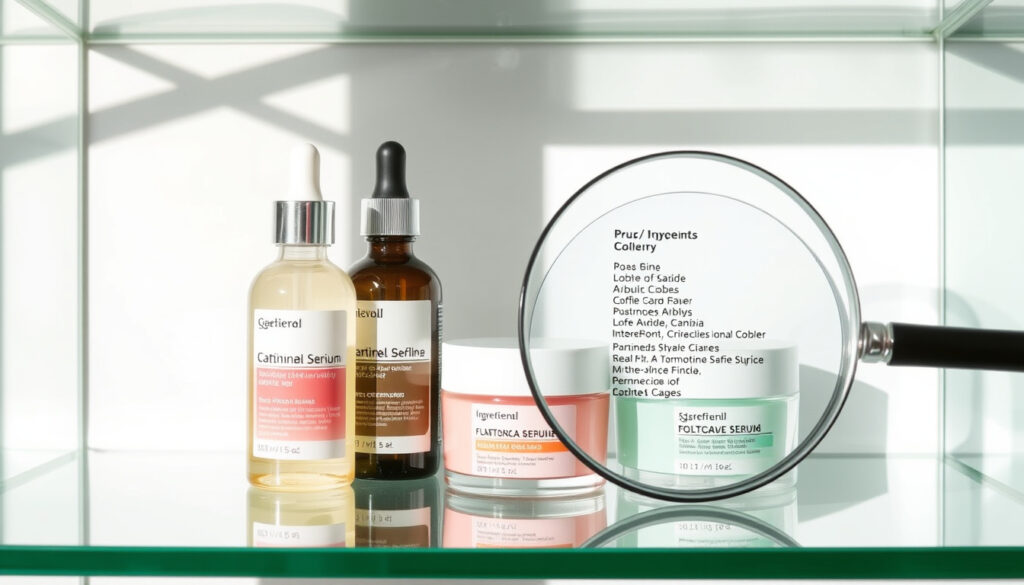
Skin Care Guide: Routines, Brands & Ingredient Safety
Anyone who’s ever stood in a chemist aisle wondering whether to buy the €8 cleanser or the €38 one already knows the confusion. Skin care doesn’t have to be a guessing game, but with ingredient lists, brand claims, and routine rules like the 4-2-4 method, it’s easy to feel overwhelmed.
Global skincare market value: $150 billion (2026 estimate) ·
Basic routine steps: 5 (cleanse, tone, serum, moisturize, protect) ·
Exfoliation frequency: 1–2 times per week ·
Dermatologist-recommended sunscreen SPF: 30 or higher ·
Number of skin types: 5 (normal, oily, dry, combination, sensitive)
Quick snapshot
- Vitamin C and retinol should not be used together in the same routine (Dermatology layering guide)
- The 4-2-4 rule originated from Korean skincare (Perfect Corp K-beauty analysis)
- Sunscreen prevents photoaging and skin cancer (Irish Independent SPF guidance)
- Whether mixing niacinamide and vitamin C is always problematic (some experts say it’s safe)
- Exact ranking of top 5 skincare brands varies by region and survey
- Optimal frequency of exfoliation depends heavily on skin sensitivity
- 2025–2026: 4-2-4 rule surges in online content as a K-beauty-inspired method (Perfect Corp)
- 2025: Irish Independent publishes budget-friendly routine guide under €20 (Perfect Corp)
- 2026: Skin cycling and timed cleansing routines gain traction in retail guides (Perfect Corp)
- More brands adopting K-beauty-inspired timed cleansing protocols
- Greater emphasis on ingredient compatibility education
- Personalised routines based on skin microbiome testing
Five key facts about skin structure and routine science, one pattern: the numbers that matter most are simple but often overlooked.
| Fact | Value |
|---|---|
| Skin layers | Epidermis, dermis, hypodermis |
| Daily sunscreen SPF | At least 30, broad-spectrum |
| Retinol frequency | Start 2-3 times per week, increase gradually |
| Skin cell turnover | Approximately 28 days in young adults |
| Most common skin type | Combination skin |
What is skin care?
Why is skincare important?
- Skin care is the practice of maintaining hygiene and appearance through cleansing, moisturising, and sun protection (Wikipedia definition).
- The skin is the largest organ of the body, acting as a barrier against environmental damage, pathogens, and UV radiation.
- Consistent care reduces the risk of infection, premature ageing, and skin cancer — melanoma diagnoses in Ireland have risen steadily over the past decade.
What are the basic steps of skin care?
A 2025 guide from the Irish Independent (budget-friendly routine guide) outlines a core regimen: cleanser, serum with an active ingredient, moisturiser, and SPF. A second cleanser, eye cream, night cream, and exfoliating acid can be added for a more elaborate routine.
Five steps cover the essentials for most people: cleanse, tone, treat with a serum, moisturise, and protect with sunscreen. The order matters — applying a serum before moisturiser ensures active ingredients reach the skin effectively.
The Irish shopper faces a choice between elaborate multi-step routines and the evidence-based core of four to five steps. The catch: marketing often pushes extra products that add cost without proven benefit.
What is a good skin care routine?
What is the correct order of skincare?
- The 4-2-4 rule is a timing method for cleansing, not a treatment step (Clarity Skin routine guide).
- Cleanser, toner, serum, moisturiser, and sunscreen are the typical steps in a complete routine.
- Adjust the routine based on your skin type and specific concerns — oily skin benefits from gel cleansers, while dry skin needs richer creams.
How to build a morning and evening routine
Morning: cleanse (water or gentle cleanser), vitamin C serum, moisturiser, sunscreen. Evening: double cleanse (oil-based then water-based), treatment serum (retinoid or exfoliant), moisturiser. The Neal’s Yard Remedies (wellness retailer) guide notes that the 4-2-4 routine is typically done at night to remove makeup, sunscreen, and daily buildup.
Exfoliation should happen 1-2 times per week, not daily. Over-exfoliating damages the skin barrier and leads to irritation, redness, and sensitivity.
The 4-2-4 rule adds 10 minutes to your nightly routine. For someone already juggling work and family, the trade-off is clear: deeper cleansing versus less sleep. There’s no wrong answer, but the choice should be intentional.
What are the top 5 skincare brands?
What makes a skincare brand the best?
No single brand is universally best — effectiveness varies by skin type, budget, and concerns. Factors that matter: ingredient quality, dermatologist recommendations, price, and whether the brand tests on animals. The Wikipedia entry on skin care notes that the industry spans everything from luxury cosmetics to medical-grade products.
The pattern: the best choice depends on your skin type and budget, not brand prestige alone.
Top brands: CeraVe, La Roche-Posay, SkinCeuticals, and more
Six brands, one pattern: the best choice depends on your skin type and budget, not brand prestige alone.
| Brand | Key Strengths | Best For | Approx. Price Range (€) |
|---|---|---|---|
| CeraVe | Ceramides, dermatologist-developed | Dry, sensitive, eczema-prone skin | €10–€25 |
| La Roche-Posay | Thermal spring water, prebiotic formulas | Sensitive, reactive skin | €15–€40 |
| SkinCeuticals | Antioxidants, vitamin C research | Anti-aging, sun damage repair | €50–€200+ |
| Avène | Thermal spring water, soothing | Intolerant, allergic-prone skin | €15–€45 |
| Dermalogica | Professional-grade, no common irritants | All skin types, custom routines | €30–€80 |
| Image Skincare | Proven ingredients, smart botanicals | Results-focused, anti-aging | €35–€90 |
Which two serums cannot be used together?
Why shouldn’t you mix vitamin C and retinoids?
- Vitamin C and retinol should not be used together due to pH conflict — vitamin C requires a low pH (around 3.5) while retinol works best at a higher pH (Dermatology layering guide).
- Using them together can cause irritation, reduce effectiveness, and compromise the skin barrier.
- Solution: use vitamin C in the morning and retinol at night, or alternate days.
How to layer serums correctly
Layering is about order, not mixing. The dermatology layering guide emphasises applying products in order of consistency — thinnest to thickest — rather than pre-mixing them before application. Niacinamide and vitamin C can be used together with caution, despite old advice to avoid them.
Upsides
- Proper layering maximises ingredient absorption
- Using vitamin C in the morning adds antioxidant protection during the day
- Retinoids at night support cell turnover while you sleep
- Alternating actives reduces irritation risk
Downsides
- Mixing incompatible serums can cause redness, peeling, or breakouts
- Layering too many products increases cost and routine time
- Some products (e.g., high-concentration acids) cannot be combined with any other active
- It can take weeks to figure out which combination works for your skin
What is the 4 2 4 rule in skincare?
What does the 4 2 4 rule stand for?
- 4 minutes of oil cleansing or balm massage, 2 minutes of a second cleanse, and 4 minutes of rinsing — typically with warm water first, then cooler water (Frieder Dermatology blog).
- The method originated from Korean skincare and is designed to thoroughly remove makeup, SPF, and excess sebum (Perfect Corp K-beauty analysis).
- It is a cleansing ritual, not a treatment step — it won’t replace serums or moisturisers.
How to apply the 4 2 4 rule in skincare routines
Step by step, the 4-2-4 method transforms cleansing from a 30-second task into a deliberate ritual. Here’s how it works in practice:
- 4 minutes — oil cleanse: Massage a cleansing balm or oil into dry skin, focusing on areas with heavy makeup or sunscreen. Use circular motions to dissolve impurities.
- 2 minutes — second cleanse: Apply a gel or foam cleanser with a low pH to emulsify remaining residue. The NoticeMe (skincare retailer) guide recommends a low-pH foaming cleanser for this step.
- 4 minutes — rinse: Splash with warm water first to open pores, then finish with cooler water to tighten. The extended rinse ensures no cleanser residue remains.
Some sources describe the 4-2-4 routine as typically done at night to remove makeup, sunscreen, and daily buildup (Little Wonderland K-beauty guide). However, Skin Lab UK (dermatology clinic) notes that there is no standard dermatologist-endorsed rule requiring these exact timings — the 4-2-4 method is a ritualised convention, not a medical prescription.
The 4-2-4 rule adds 10 minutes to your nightly routine. For someone already juggling work and family, the trade-off is clear: deeper cleansing versus less sleep. There’s no wrong answer, but the choice should be intentional.
What we know vs. what’s still uncertain
Confirmed facts
- Vitamin C and retinol should not be used together in the same routine (Dermatology layering guide)
- The 4-2-4 rule originated from Korean skincare as a cleansing ritual (Perfect Corp)
- Sunscreen with SPF 30 or higher prevents photoaging and skin cancer (Irish Independent)
- A basic routine consists of cleanser, serum, moisturiser, and SPF
- Exfoliation should be limited to 1-2 times per week to avoid barrier damage
What’s unclear
- Whether mixing niacinamide and vitamin C is always problematic — some experts say it’s safe for most skin types
- Exact ranking of top 5 skincare brands varies by region and survey methodology
- Optimal exfoliation frequency depends heavily on individual skin sensitivity, not a one-size-fits-all rule
- The 4-2-4 rule’s 10-minute timing is a ritual convention, not a dermatologist-validated requirement
Expert perspectives
Skin care is the practice of maintaining and improving the health and appearance of the skin.
Our products are powered by proven ingredients, smart botanicals and results-first technology.
We target every skin concern while promoting optimal skin health.
There is no standard dermatologist-endorsed rule requiring four minutes of oil cleansing, two minutes of foaming cleanser, and four minutes of rinsing.
The gap between marketing and medicine in skincare is wider than most shoppers realise. The 4-2-4 rule generates clicks, but the real game-changer is understanding ingredient compatibility and sun protection — not timing your rinse to the second. For the Irish shopper, the choice is clear: invest in a solid SPF, a gentle cleanser, and one or two well-chosen serums, or keep chasing the next viral routine that promises perfection but delivers confusion.
devouedenature.com, glowcosmetology.com, friederdermatology.com, naturaspa.com, overblicken.se
For those looking to adapt these principles to the British market, the UK skin care routine guide offers tailored product recommendations and budget-friendly tips.
Frequently asked questions
How often should I wash my face?
Twice daily — once in the morning and once at night. Over-washing can strip the skin barrier, while under-washing leads to clogged pores and buildup.
Can I use a serum and moisturizer together?
Yes. Apply serum first (thinnest consistency) and moisturiser second (thickest). This layering order ensures active ingredients absorb before the moisturiser seals them in.
What is the best skin care routine for oily skin?
A gel or foaming cleanser, oil-free moisturiser, and a serum containing niacinamide or salicylic acid. Avoid heavy creams and skip the oil cleanser if you’re prone to breakouts.
Do I need to use toner?
Toner is optional but can help balance the skin’s pH after cleansing and prep the skin for serums. If you have dry or sensitive skin, choose a hydrating, alcohol-free toner.
How to choose a cleanser?
Match your cleanser to your skin type: gel or foam for oily skin, cream or milk for dry skin, and micellar water for sensitive skin. Avoid sulfates if you have a compromised skin barrier.
Is expensive skincare better than drugstore brands?
Not necessarily. Many drugstore brands — like CeraVe and Avène — use the same active ingredients as luxury brands at a fraction of the price. The effectiveness depends on the formulation, not the price tag.
Can I use two different brands in one routine?
Yes. Mixing brands is perfectly fine as long as the ingredients are compatible. Focus on the ingredients and their order rather than keeping everything from one brand.
More related posts
 Miranda Richardson: Biography, Marital Status & Famous Roles
 Jarrod Bowen: Career, Salary, and Family with Dani Dyer
 CMA: 70% of hotel booking sites flout cancellation rules – your guide
 Paul Stanley: Disability, Net Worth, Wife, and Family
 Chris Noth: Allegations, Co-Star Reactions, Current Status
 Paul Chowdhry: Real Name, Age, Taskmaster & Net Worth
 Dana White: Net Worth, Irish Roots, UFC Ownership & Health
 Venezuela Fury: Age, Wedding, Tommy Fury Absence, and More
