Warehouse Operative Jobs Near Me – Pay, Requirements and Application Guide
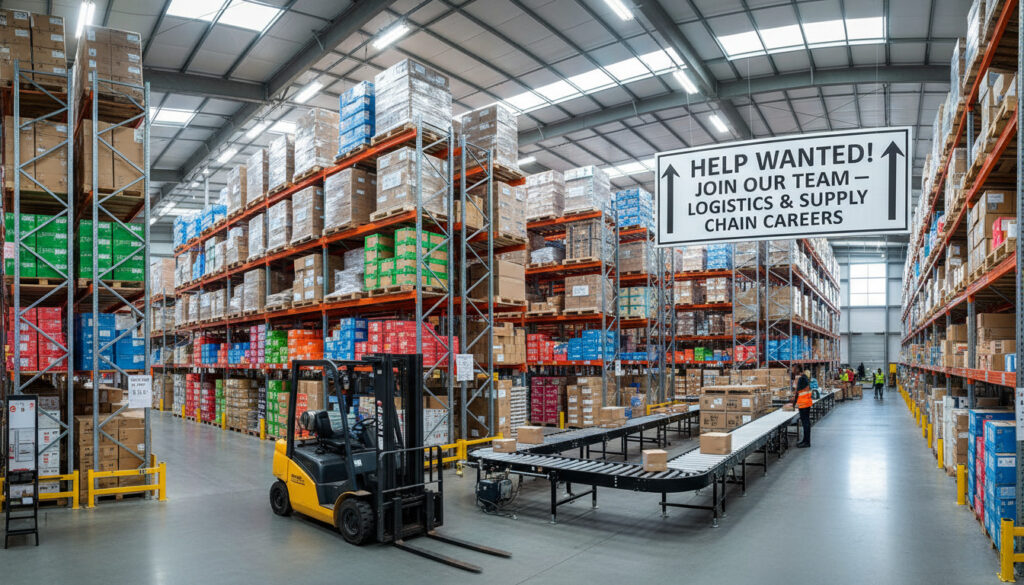
Warehouse operative positions remain among the most accessible entry points into the UK logistics sector, offering immediate starts and structured progression paths for candidates across all experience levels. These roles form the operational backbone of storage and distribution facilities, requiring physical stamina alongside attention to detail in fast-paced environments.
The surge in e-commerce has transformed storage facilities into high-tech distribution hubs, creating sustained demand for skilled handlers who can manage inventory, operate machinery, and maintain rigorous safety standards. Whether seeking flexible part-time hours or permanent full-time contracts, understanding specific requirements, realistic salary expectations, and optimal application channels ensures candidates target suitable vacancies effectively.
Local employment markets vary significantly by region, with major distribution corridors around the Midlands, Thames Valley, and Greater London offering the highest concentration of opportunities alongside competitive wage premiums.
What Does a Warehouse Operative Do?
£11.33–£13.50 hourly entry level
No formal qualifications often required
Picking, packing, loading, inventory checks
Full-time, part-time, nights, weekends
- High demand driven by sustained e-commerce expansion across all UK regions
- Entry-level positions frequently offer immediate starts without prior warehousing experience
- Core duties center on stock movement, quality control, despatch coordination, and safety compliance
- Night shift premiums can increase base hourly rates by 10–30%
- Temporary-to-permanent contracts represent a common pathway into stable employment
- Physical fitness requirements exceed standard sedentary occupational standards
- Safety compliance and hazard awareness form mandatory daily protocols
| Fact | Details |
|---|---|
| Market Demand | Sustained growth from online retail and logistics expansion |
| Entry Salary Range | £11.33–£13.50 hourly / £16,000–£22,425 annually |
| Experience Requirement | None required for many entry roles |
| Minimum Age | Typically 18+ for machinery operation |
| Core Competencies | Teamwork, accuracy, physical stamina, safety awareness |
| Certification Advantages | Forklift licence, NVQ/SVQ Levels 1–3 in Warehousing |
| Standard Hours | 35–40 hours weekly with flexible alternatives |
| Progression Route | Team leader roles via Level 3 Diploma |
Qualifications and Skills Needed for Warehouse Operative Jobs
Do You Need Previous Experience?
Many entry-level warehouse operative jobs near me require no prior warehousing background. Employers typically prioritize reliability, punctuality, and physical capability over specific employment history. Relevant experience in retail, construction, delivery services, or storage may accelerate onboarding but remains optional. National Careers Service guidance confirms that apprenticeships and temporary agency roles serve as viable entry mechanisms for candidates transitioning from other sectors.
Essential Skills for Success
Manual dexterity and physical strength feature prominently in job specifications, alongside sharp safety awareness and meticulous attention to detail. Operatives must communicate effectively within shift teams while maintaining individual accountability for order accuracy. Numeracy and literacy skills support stock tracking, documentation, and digital inventory management systems. Self-motivation and the ability to work within target-driven environments prove essential during peak trading periods.
While not mandatory for entry positions, obtaining a forklift licence or NVQ/SVQ Levels 1–3 in Warehousing and Storage significantly enhances employment prospects and can elevate starting salary offers by £1–£2 hourly.
Warehouse Operative Salary and Benefits
Understanding Pay Structures
Entry-level positions typically offer £11.33–£13.50 per hour, translating to £16,000–£22,425 annually for full-time contracts. Experienced operatives progress to £24,000–£30,000, with London and South East locations commanding premiums due to higher living costs and competitive labour markets. Career guidance data indicates that night shifts, overtime, and unsociable hours generate additional premiums above standard base rates.
Factors Affecting Earnings
Geographic location remains the primary variable, with metropolitan areas and major distribution hubs offering enhanced rates. Agency roles may provide weekly pay flexibility and immediate income, though permanent positions typically offer superior benefits packages including pension contributions and paid leave. Industry sectors handling hazardous materials, chilled goods, or pharmaceutical products often supplement base wages with specialist allowances recognising additional responsibilities.
London-based warehouse operative jobs near me typically pay above national averages, though specific premium percentages vary significantly by individual employer and facility location within the capital.
Apprenticeship schemes, including structured roles such as Royal Navy supply chain positions, commence at National Minimum Wage levels—currently approximately £20,400 annually for comparable operational positions.
How to Find and Apply for Warehouse Jobs Near Me
Top Recruitment Platforms
Major job boards dominate the online marketplace, offering postcode-specific filtering by distance and salary range. Indeed, Totaljobs, and Reed host thousands of active vacancies, while the National Careers Service and My World of Work provide listings alongside impartial career guidance. Specialist recruitment agency websites often host exclusive temporary contracts not advertised on generalist boards, particularly for immediate-start positions.
Interview Preparation and Application Tips
Successful applications emphasize reliability, physical fitness, and safety consciousness. Interviewers commonly assess knowledge of manual handling procedures, teamwork capabilities, and understanding of health and safety protocols. Candidates should prepare concrete examples demonstrating punctuality, ability to meet targets under pressure, and willingness to work flexible shifts. My World of Work suggests highlighting any manual labour experience, including volunteering, driving practice, or temporary retail positions during peak seasons.
Shifts and Physical Working Conditions
Standard contracts require 35–40 hours weekly, with extensive availability of part-time, temporary, and agency arrangements. Night shifts appeal to candidates requiring daytime flexibility for family or education commitments, frequently offering enhanced hourly rates. Market analysis confirms that weekly pay structures remain common in agency work.
Physical demands are substantial. Roles require sustained stamina for lifting, bending, and operating material handling equipment throughout lengthy shifts. Working environments range from ambient storage facilities to specialized cold stores operating at -20°C, where employers provide mandatory personal protective equipment. The physical requirements considerably exceed standard office-based occupational standards.
Timeline: The Evolution of Warehouse Employment
- : E-commerce acceleration triggered unprecedented demand for fulfilment centre staff, with online shopping volumes forcing rapid expansion of logistics infrastructure and warehousing capacity nationwide.
- : Average warehouse operative salaries increased approximately 8% year-on-year as employers competed for reliable staff within a tightening labour market and high vacancy rates.
- : Integration of automation and robotics shifts role focus toward skilled machinery operation, technical troubleshooting, and digital inventory management, requiring enhanced technological literacy from operatives. Select recruitment analysis confirms this specialisation trend.
What Job Seekers Can Know for Certain
| Established Facts | Variable or Uncertain Factors |
|---|---|
| Core duties (picking, packing, loading) remain consistent across employers | Specific vacancy availability fluctuates weekly by geographic location |
| National Minimum Wage provides the statutory baseline for all positions | Exact hourly rates vary significantly between individual employers |
| Health and safety compliance is legally mandatory in all facilities | Overtime availability depends on seasonal demand cycles |
| 35–40 hour standard working week for full-time contracts | Timing of permanent contracts after temporary periods differs by company policy |
Market Context and Industry Background
The UK logistics sector functions as the physical backbone of digital retail, with warehouse operatives serving as the critical link between inventory storage and customer delivery. E-commerce growth has permanently altered staffing requirements, shifting emphasis from pure manual handling to technology-assisted picking and real-time inventory management systems.
Regional disparities reflect broader economic patterns, with major distribution hubs clustered around motorway corridors and urban centres. This geographic concentration creates competitive local job markets in areas like the Midlands, Thames Valley, and Greater London, while smaller facilities in rural locations may offer reduced competition but limited advancement pathways. Job seekers navigating local employment landscapes often research multiple service providers simultaneously. Those requiring accessible transport solutions might search for Disability Car Dealer Near Me – Certified Wheelchair Van Specialists to ensure reliable commuting options, while others maintain vehicle reliability through Peugeot Garage Near Me – Official Dealers and Booking Guide for essential maintenance.
Professional bodies such as CILT (Chartered Institute of Logistics and Transport) now support structured career progression pathways, recognizing warehouse operations as a skilled trade requiring continuous professional development rather than transient labour.
Expert Sources and Official Guidance
Warehouse workers check stock levels and track products, store goods correctly, and prepare orders for delivery. You might work for a retailer, manufacturer, or distribution company.
National Careers Service
No formal qualifications are required to become a warehouse operative, though some GCSEs including English and maths can be useful.
CPD Online Career Guides
Summary: Securing Your Next Warehouse Role
Warehouse operative positions offer accessible entry into logistics with competitive starting salaries of £11–£14 hourly and clear progression to £24,000–£30,000 for experienced staff. Success requires physical fitness, reliability, and safety awareness rather than formal qualifications, though forklift certification accelerates career advancement. Targeting major job boards, preparing for competency-based interviews, and considering temporary-to-permanent pathways maximizes employment prospects in this high-demand sector. Ensure your transport arrangements remain reliable by consulting Disability Car Dealer Near Me – Certified Wheelchair Van Specialists or Peugeot Garage Near Me – Official Dealers and Booking Guide as needed.
Frequently Asked Questions
What is the minimum age to work as a warehouse operative?
Most employers require operatives to be 18 or older, particularly when operating forklifts or heavy machinery. Some facilities may hire 16–17 year-olds for light duties restricted to manual handling without machinery operation.
Are part-time contracts available?
Yes, flexible contracts are widely available. Many distribution centres offer part-time, weekend-only, or evening shifts to accommodate family commitments, education, or secondary employment.
Do I need a full driving licence to apply?
Not usually required for standard warehouse operative duties. However, a licence proves useful for multi-drop roles or positions involving yard shunting. Forklift certification is separate from a standard driving licence.
How long do typical shifts last?
Standard full-time shifts run 8–12 hours, typically within a 35–40 hour weekly contract. Part-time roles may offer 4–6 hour shifts. Night shifts usually match day shift durations but carry premium pay rates.
Can I specialise in night shifts only?
Yes, many facilities specifically recruit night-only teams. These positions suit candidates requiring daytime flexibility and typically offer enhanced hourly rates between 10–30% above standard day shift pay.
What is the difference between a picker packer and a warehouse operative?
Picker packers focus specifically on selecting items and preparing orders for dispatch. Warehouse operatives perform broader duties including stock intake, storage organisation, loading, and inventory management alongside picking tasks.
Do these roles offer immediate start dates?
Frequently advertised, particularly through agencies. Temporary and seasonal positions often allow commencement within 48 hours of successful interview and basic safety induction completion.
Are warehouse jobs suitable for students?
Suitable for term-time employment and holiday periods. The flexible shift patterns accommodate academic schedules, though physical demands and early start times may conflict with late lecture schedules.
More related posts
 Quinta Brunson: Husband, Divorce, Net Worth, Age & More
 Galaxy Smart Tag 2 – Price Specs Range Review
 Ugly Betty: Cancellation, Finale, Spin-Off Explained
 Trauma Bonding: Stages, Signs, and Recovery
 Rampage Jackson: Why He Quit UFC, Record & Lawsuit
 Paloma Faith: children, ADHD, relationships and full biography
 Ukraine National Football Team – 2026 World Cup Play-Off Squad
 Kevin Spacey 2026: Settlement, acquittal, what’s next
