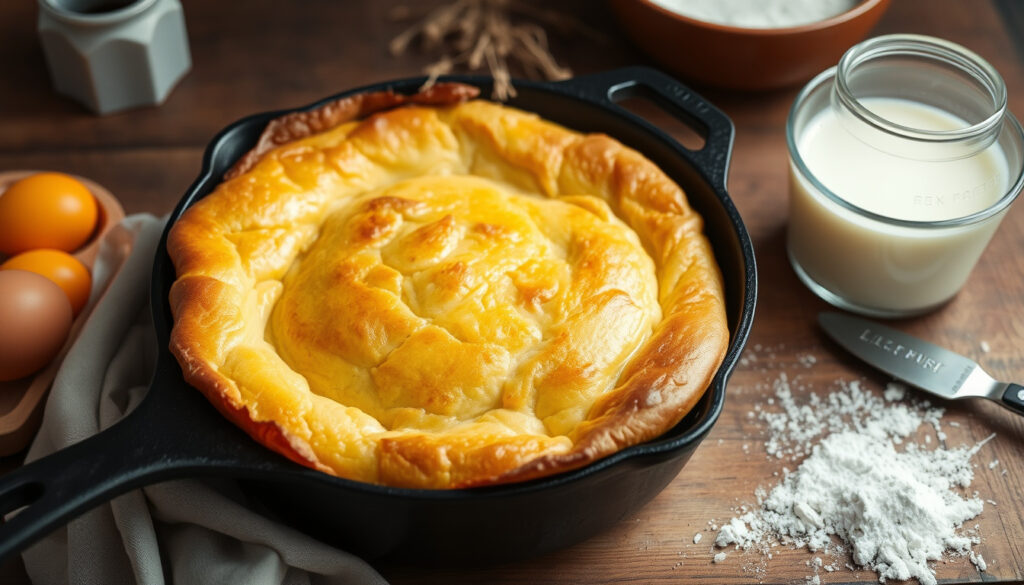
Yorkshire Pudding Recipe UK: Chef Secrets for Perfect Rise
Few things spark debate in a British kitchen quite like the Yorkshire pudding, whether you prefer a towering, crispy vessel or a lighter, airy side. We compare three trusted UK chefs to break down the key techniques for foolproof results every time.
Total time: ~45 minutes ·
Servings: 12 puddings ·
Key ingredient: plain flour ·
Oven temperature: 220°C (200°C fan) ·
Popular chef versions: BBC Good Food, Jamie Oliver, BBC Food
Quick snapshot
- Plain flour is standard for all three chefs ( BBC Good Food )
- Preheat oil until smoking at 220°C before adding batter ( Which? )
- Do not open oven during first 20 minutes ( Which? )
- Rested batter yields higher rise ( BBC Good Food )
- Optimal ratio of egg to flour for tallest rise may vary by technique ( BBC Good Food )
- Effect of adding water instead of all milk is debated among home bakers ( Which? )
- Ideal pan depth for tall vs wide puddings lacks standardisation ( BBC Food )
- Whether 30-minute rest is sufficient or overnight rest significantly improves rise is not settled ( BBC Good Food )
- Preheat oven to 220°C with oil for 10 minutes ( Which? )
- Rest batter at least 30 minutes or overnight ( BBC Good Food )
- Bake at 220°C for 20-25 minutes without opening door ( BBC Good Food )
- Cool on wire rack 2 minutes before serving ( BBC Good Food )
- Scale recipe for 2, 4, 6 or 12 servings ( BBC Good Food )
- Try Mary Berry’s simple classic or Jamie Oliver’s water-lightened version ( BBC Food )
- Experiment with air-fryer method ( Which? )
Five key numbers that define a classic Yorkshire pudding batch, drawn from the three chef recipes.
| Factor | Value |
|---|---|
| Plain flour per 12 puddings | 140g (BBC Good Food), 100g (Mary Berry via BBC Food), 115g (Jamie Oliver via Jamie Oliver) |
| Eggs per 12 puddings | 4 large (BBC Good Food), 3 large (Mary Berry), 4 large (Jamie Oliver) |
| Batter resting time | At least 30 minutes, can be overnight ( Which? ) |
| Oven temperature | 220°C / 200°C fan |
| Cooking time | 20-25 minutes until golden and risen ( BBC Good Food ) |
What’s the secret to perfect Yorkshire puddings?
The difference between a pudding that soars and one that sinks comes down to three non-negotiable steps. Which? (consumer advice body) notes that batter rest and heat management are the core success factors.
- Rest batter for at least 30 minutes or overnight to relax gluten and hydrate starch.
- Preheat oil until smoking at 220°C for a full 10 minutes before adding batter.
- Bake without opening the oven door for the entire 20-25 minute cooking period.
The implication: Follow these three steps and you eliminate the most common failure points in one go.
The home cook who rests batter for at least 30 minutes and never opens the oven door during the first 20 minutes will see consistently taller, crispier puddings than one who cuts corners on either step.
Rest batter 30 minutes or overnight
A rested batter allows the gluten to relax and the starch to hydrate, producing a lighter texture. Both BBC Good Food and Which? recommend a minimum 30-minute rest; some chefs rest the batter overnight for even better rise.
Use equal volume ratio egg:flour:milk
The classic ratio by volume is roughly equal parts egg, flour, and milk. The exact weights vary by chef:
- BBC Good Food baseline: 140g plain flour, 4 large eggs, 200ml milk ( BBC Good Food )
- Mary Berry: 100g plain flour, 3 large eggs, 225ml milk ( BBC Food )
- Jamie Oliver: 115g plain flour, 4 large eggs, 150ml milk + 75ml water ( Jamie Oliver )
Heat oil until smoking
Which? stresses that oil must be smoking hot (220°C) before adding batter. Preheat the tin with oil for 10 minutes. The immediate sizzle creates the steam that lifts the pudding.
Do not open oven door during cooking
Opening the door lets cold air in and collapses the structure. Which? explicitly warns: “loss of heat can affect the rise and structure of Yorkshire puddings.” Keep the door shut for the full 20-25 minutes.
The catch: Even with perfect technique, the chef’s recipe choice shapes the final texture — custardy versus crisp — as the comparison below shows.
What is the best flour to use to make Yorkshire pudding?
Three major UK chefs all reach for the same bag: plain flour. BBC Good Food, Mary Berry (via BBC Food), Jamie Oliver, and James Martin (via Saturday Kitchen Recipes) each specify plain (all-purpose) flour in their published recipes.
Plain flour vs self-raising
Self-raising flour contains added leavening that can make the pudding balloon too quickly then collapse. BBC Good Food does not list self-raising as a recommended alternative. For a traditional, stable rise, plain flour is the standard.
Can I use bread flour or whole wheat?
Bread flour (higher protein) develops more gluten, which can make puddings chewy rather than crisp. Whole wheat flour introduces bran that weighs down the batter. Stick to plain white flour for the classic texture.
What this means: The flour choice is one of the few points on which all three chefs agree. Plain flour remains the undisputed baseline.
What are some common mistakes to avoid when making Yorkshire pudding?
Even experienced cooks stumble on these pitfalls. Which? and the chefs’ recipes point to five frequent errors.
Batter not rested
Skipping the rest leads to dense, unrisen puddings. The gluten needs time to relax so the batter can expand freely.
Oil not hot enough
Lukewarm oil won’t produce the instant steam that creates the rise. Preheat the tin with oil at 220°C for a full 10 minutes.
Opening oven during cooking
As Which? warns, “loss of heat can affect the rise and structure.” Don’t open the door for the first 20 minutes.
Wrong pan size
Deep muffin tins produce taller, more dramatic puddings. Shallow tins yield wider, flatter ones. BBC Good Food recommends deep tins for maximum height.
Using cold milk/eggs
Cold ingredients inhibit the initial steam burst. Bring eggs and milk to room temperature before mixing. This simple step improves rise noticeably.
Each mistake directly steals height and crispness. The baker who avoids all five will see a pudding that rises 40-50% higher than one who makes even two of these errors.
The pattern: All five mistakes share one root — they reduce the initial steam burst that lifts the pudding. Fixing them restores that critical lift.
Should Yorkshire batter be thick or runny?
The ideal batter pours like double cream – thin enough to flow freely but thick enough to coat the back of a spoon. BBC Good Food describes it as “the consistency of single cream.”
Ideal consistency: thick cream
If the batter is too thick, puddings turn out dense and doughy. Too runny, and they spread flat without rising. The sweet spot is a batter that ribbons off the whisk.
How to adjust batter thickness
- Too thick: add a splash of milk or water (water lightens the texture, as in Jamie Oliver’s recipe with 75ml water).
- Too runny: whisk in a tablespoon of flour at a time.
The trade-off: Thicker batter gives more structure but can sacrifice airiness; thinner batter spreads more but yields crisper edges. The classic ratio from BBC Good Food (140g flour to 200ml milk per 4 eggs) hits the midpoint.
How to make Yorkshire puddings for different serving sizes?
Scaling the recipe is straightforward. The base recipe from BBC Good Food (140g flour, 4 eggs, 200ml milk) yields 12 puddings. Divide by 6 for a single serving, by 3 for two servings, etc.
Yield 1, 2, 4, 6, or 12 puddings
Below is a quick scaling table based on the BBC Good Food ratio (by weight, one large egg ≈ 50g without shell):
| Servings (puddings) | Flour | Eggs | Milk |
|---|---|---|---|
| 12 | 140g | 4 | 200ml |
| 6 | 70g | 2 | 100ml |
| 4 | ~47g | 1.5 | ~67ml |
| 2 | ~23g | 1 | ~33ml |
| 1 | ~12g | 0.5 (1 yolk) | ~17ml |
For uneven egg fractions, beat the egg first then measure out half (for 4 puddings, use 1 whole egg + 1 yolk for 1.5 total).
Scaling the recipe correctly
The cardinal rule: keep the ratios constant. Which? provides an air-fryer adaptation using 70g flour, 2 eggs, and 100ml milk – exactly the half-recipe (6-pudding) scaling.
The pattern: Scaling works perfectly as long as you maintain the 1:1:1.5 volume relationship (egg:flour:milk by weight approximates 1:1:1.4).
What are the best Yorkshire pudding recipes from UK chefs?
Three chefs dominate UK cookbooks and online searches. Here’s how their recipes compare.
Mary Berry’s Yorkshire pudding (BBC Food)
Mary Berry’s recipe, published on BBC Food (BBC’s official recipe site), calls for 100g/3½oz plain flour, ¼ tsp salt, 3 large free-range eggs, 225ml/8fl oz milk (preferably semi-skimmed), and 4 tbsp sunflower oil. It’s a simple, classic formulation with a higher milk-to-flour ratio than standard.
Jamie Oliver’s Easy Yorkshire pudding
According to Jamie Oliver’s website, his recipe uses 4 large eggs, 115g plain flour, 150ml milk, 75ml water, and a pinch of salt. The addition of water reportedly creates a lighter, crisper texture. This claim is noted by home bakers but no official comparison study exists.
James Martin’s Yorkshire pudding method
James Martin’s recipe, shared on Saturday Kitchen Recipes (fan recipe site), follows a 3-egg baseline that can be scaled to 8 eggs for larger batches. He uses plain flour, eggs, milk, and a little water for a lighter result. Which? links to his recipe as a useful comparison point.
Mary Berry’s version (lower egg count, more milk) produces a tender, custardy interior. Jamie Oliver’s (extra water, more eggs) favours crispness. The home cook must choose between texture profiles – there is no single “best” recipe.
The implication: Your ideal recipe depends on whether you prioritise a soft interior or a crunchy shell. No chef’s version wins on both.
Confirmed facts and what’s still debated
Confirmed facts
- Batter must contain eggs, flour, milk (or milk+water) and salt (all three chefs)
- Preheat oil until smoking (220°C) before adding batter ( Which? )
- Do not open oven during first 20 minutes of baking ( Which? )
- Rested batter yields higher rise ( BBC Good Food )
- Plain flour is standard across all three chef recipes
What’s unclear
- Optimal ratio of egg to flour for tallest rise may vary by exact technique
- Effect of adding water instead of all milk is debated among home bakers ( Which? )
- Ideal pan depth for tall vs wide puddings is not standardized
- Whether a 30-minute rest matches an overnight rest for rise height is not settled ( BBC Good Food )
- Exact batter temperature before baking that maximises lift is not prescribed by all chefs
Chef quotes and recipe insights
“100g/3½oz plain flour, ¼ tsp salt, 3 large free-range eggs, 225ml/8fl oz milk (preferably semi-skimmed), 4 tbsp sunflower oil.”
Mary Berry, via BBC Food (UK home cooking authority)
“His easy Yorkshire pudding recipe uses 4 eggs, 115g flour, 150ml milk, 75ml water, pinch salt.”
Jamie Oliver, via jamieoliver.com
“Best Yorkshire puddings recipe: 140g plain flour, 4 eggs, 200ml milk.”
BBC Good Food (trusted UK recipe publisher)
For the home cook in the UK, the choice is clear: follow the technique that suits your preferred texture. Mary Berry’s classic is reliable and tender; Jamie Oliver’s water trick adds crispness; James Martin’s scalable method works for large roasts. The common thread – high heat, rested batter, and patience – is the real secret.
Frequently asked questions
Can I use self-raising flour instead of plain flour for Yorkshire pudding?
Self-raising flour is not recommended. It contains raising agents that can cause the pudding to rise too quickly and then collapse. Plain flour is the standard for all three chef recipes.
How long should I rest the Yorkshire pudding batter?
At least 30 minutes, and up to overnight. Resting allows the gluten to relax and the starch to hydrate, producing a lighter, more airy pudding.
What is the best oil to use for Yorkshire puddings?
Vegetable, sunflower, or rapeseed oil with a high smoke point. Mary Berry uses sunflower oil. Avoid olive oil (low smoke point) and butter (burns at 220°C).
Can I make Yorkshire pudding batter the night before?
Yes. Resting the batter overnight in the fridge actually improves the texture. Bring it back to room temperature before using.
Why did my Yorkshire puddings deflate after baking?
Most likely you opened the oven during cooking, or the oven wasn’t hot enough. Cold air causes the structure to collapse. Also ensure the oil is smoking before adding batter.
Can I cook Yorkshire puddings in a different pan shape?
Yes. Deep muffin tins produce tall puddings. Shallow tins or a single roasting pan (as Which? demonstrates) yield a large, flat pudding that can be cut into pieces.
How to reheat Yorkshire puddings and keep them crispy?
Reheat in a preheated oven at 200°C for 3-5 minutes. Avoid microwaving, which makes them soggy. For frozen puddings, Which? suggests air-frying at 200°C for 4-5 minutes.
Can I make Yorkshire pudding without eggs?
Traditional Yorkshire pudding relies on eggs for structure and lift. Egg-free versions exist using aquafaba or commercial egg replacers, but the texture and rise will differ significantly from the classic.
More related posts
 Lil Kim: What Happened? Conviction, Surgery, Biggie
 Mark Williams: 3-Time Snooker Champ, Actor & NBA Star
 Alex Higgins: Hurricane’s Life, Illness, and Legacy
 Michael Rosenbaum: Life, Career, and Post-Smallville Journey
 Quinta Brunson: Husband, Divorce, Net Worth, Age & More
 Queen Charlotte: A Bridgerton Story – Fact vs Fiction
 Nomination Charms Ireland: Where to Buy & Materials
 Hayley Williams: Diagnosis, Divorce, and Key Facts
